Condo hunting in Brookline can be confusing when two similar homes carry very different monthly fees. You want low‑maintenance living, but you also need to know what you’re paying for and why. In this guide, you’ll learn how Massachusetts condo fees work, what they typically cover in Brookline buildings, how amenities influence costs, and a clear checklist to compare properties and budget with confidence. Let’s dive in.
HOA fees in Massachusetts: the basics
Condo fees in Massachusetts are “common expense assessments” adopted by the association through its annual budget and the condo’s governing documents. The rules and lien rights are set by Chapter 183A of state law. You can read the statute that explains how fees are created and enforced in Section 6.
Associations must keep key records and make them reasonably available to unit owners and mortgagees. That includes the master deed, bylaws, minutes, financials, contracts, reserve records, and current insurance policies. These are the core files you or your attorney will request during due diligence. See Section 10 for required records.
Property taxes are billed to each unit separately. Taxes are not part of your monthly condo fee, though some municipal betterments can be handled differently. Learn how condos are taxed in Section 14.
Finally, know that associations can place a lien for unpaid assessments and may recover late charges, legal fees, and costs under the statute. Review Section 6 so you understand the consequences of nonpayment.
What Brookline condo fees usually cover
Most Brookline buildings channel monthly fees into a similar set of line items. According to homeowner guidance, common charges typically pay for exterior and common‑area maintenance, elevators, hallways and lobbies, landscaping and snow removal, building‑level insurance, master‑metered utilities, trash and janitorial services, management fees, parking or lift upkeep, security or concierge in some buildings, and regular contributions to the reserve fund. For an overview of these typical responsibilities, see the MassHousing Homeowner’s Resource Guide.
Insurance is a key part of the picture. The association’s master policy covers common areas and often the building shell. You still need your own HO‑6 policy to cover interior finishes, personal property, and liability. Many lenders require evidence of HO‑6 coverage before closing. Read more about HO‑6 coverage and loss‑assessment options in this HO‑6 insurance explainer. Always review the master policy to confirm what is and is not covered at the building level.
Amenities and building type affect cost
In Brookline and Greater Boston, amenities and staffing can change monthly fees a lot. Buildings with a staffed lobby, concierge, gym, pool, valet or garage parking, or on‑site maintenance teams tend to have higher assessments due to payroll, utility demands, and larger reserve needs. Local market reporting shows that while many metro condo fees land in the low hundreds, full‑service properties can exceed $1,000 per month and sometimes much more. For context, see this Boston‑area coverage on fee trends and negotiation opportunities in luxury and amenity‑rich buildings: Boston Globe market piece.
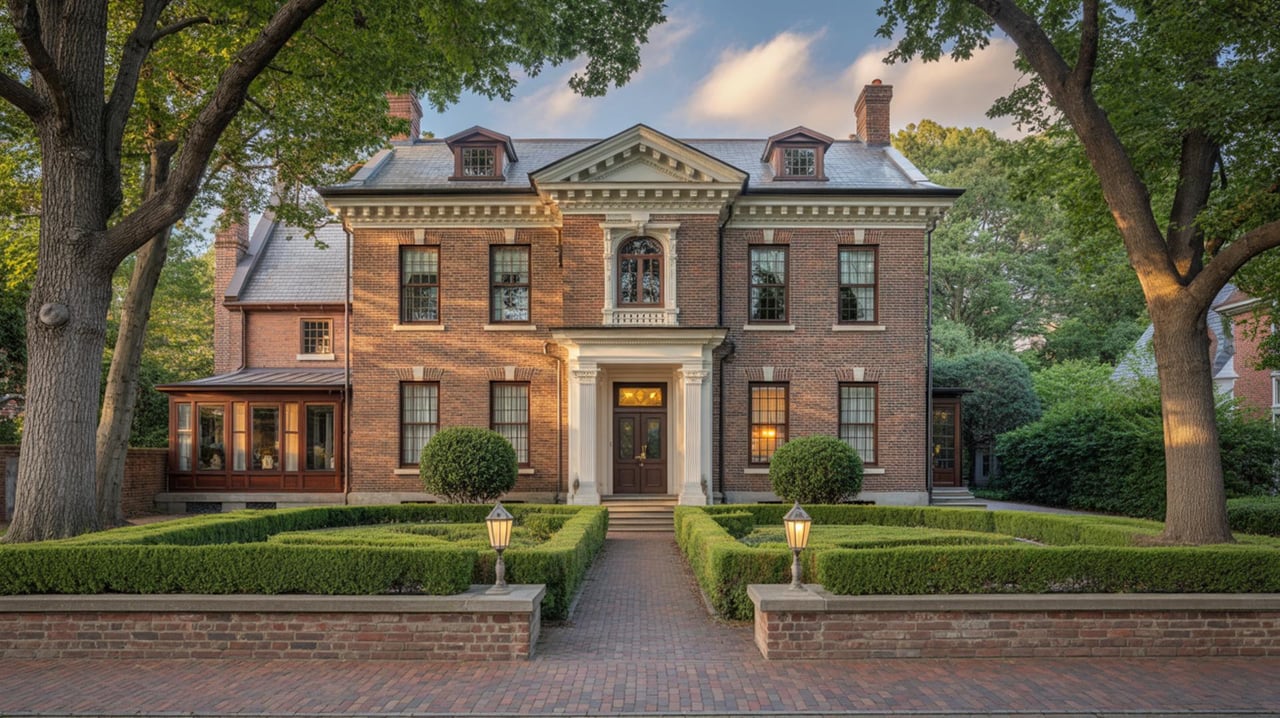
Brookline’s housing stock also plays a role. Many buildings are older brick or pre‑war conversions that require steady investment in roofs, masonry, elevators, plumbing, and heating systems. If reserves are light or major capital projects are due, associations may need higher monthly assessments to stay on track.
Local Brookline costs to factor in
When you run your numbers, include Brookline’s Community Preservation Act surcharge. The town applies a 1 percent CPA surcharge on property tax bills, with certain exemptions. This is separate from condo fees, but it influences your total carrying cost. You can review the current CPA program and exemptions on the town’s site: Brookline CPA overview.
Due diligence checklist for buyers
Use this framework to understand what you are buying and to compare buildings on an apples‑to‑apples basis.
Documents to request
- Annual budget and year‑to‑date financials. The association must keep financial records available for reasonable inspection. See Section 10.
- Reserve fund statements and any reserve study. A professional reserve study is a planning tool for future repairs. CAI explains why it matters in this reserve study resource.
- Board meeting minutes for the last 12 to 36 months. Look for planned projects, fee increases, or litigation. Required records are noted in Section 10.
- Governing documents. Master deed, bylaws, rules, and amendments define assessments and use restrictions. Also required by Section 10.
- Insurance documents. Ask for the master policy declarations and confirm deductibles. This helps you set your HO‑6 correctly.
- Management agreement and major vendor contracts. Elevators, snow removal, landscaping, and HVAC contracts affect costs. These are among the records described in Section 10.
- Owner roster, delinquencies, and any pending litigation. Concentrated ownership or many delinquent accounts can strain budgets.
- Resale or estoppel certificate, known locally as a 6D certificate. This shows any unpaid fees, fines, or special assessments on the unit. Learn how 6D certificates work in Boston‑area practice here: What is a 6D certificate.
Key metrics to compare across listings
- Monthly fee per unit and per square foot. Calculate fee divided by square feet to compare units of different sizes.
- Fee as a share of monthly housing cost. Formula: condo fee divided by the sum of mortgage principal and interest, condo fee, property tax, and insurance. This shows the fee’s weight in your monthly budget.
- Reserve percent funded. Divide the current reserve balance by the recommended balance from the reserve study. Lenders often look for a credible reserve plan. Fannie Mae’s guidance cites a 10 percent annual reserve contribution or a current reserve study that supports a lower number. See the Fannie Mae reference.
- Special assessment history and fee growth. Review the last 3 to 5 years of budgets and minutes for patterns.
Red flags to investigate
- No recent reserve study and small reserves relative to obvious building needs. CAI explains best practices in the reserve study resource.
- Major capital projects with no funding plan or vague timelines. Minutes and budgets often surface these.
- High owner delinquency or recent collection actions. Associations have strong lien rights under Section 6. Chronic delinquency can lead to cash flow stress and higher fees.
- Insurance gaps or a very high master deductible. A large deductible can trigger loss assessments to owners. Confirm whether the association requires HO‑6 loss‑assessment coverage. See the HO‑6 guide.
- Financing risk from project eligibility. If the project does not meet lender guidelines, it may limit loan options. Adequate reserves are a common focus. Review Fannie Mae’s project guidance.
Smart questions to ask the board or manager
- “Do you have a current reserve study or funding plan? What percent funded are reserves today?” See CAI’s reserve study overview.
- “Have there been any special assessments in the last 5 years? Are any planned in the next 12 to 36 months?” Relevant records are covered in Section 10.
- “What is the master insurance deductible and do you recommend loss‑assessment coverage on HO‑6 policies?” See the HO‑6 explainer.
- “Please provide the last 12 to 36 months of minutes, 12 months of financials, and the most recent reserve and operating bank statements.” Required records are in Section 10.
- “What is the turnaround time and fee for the 6D certificate?” See this overview of a 6D certificate.
Budget your true monthly cost
Use this simple worksheet to understand your carrying cost. Plug in the exact figures from the listing, your lender’s quote, and the town’s current tax rate.
- Mortgage principal and interest. Use your purchase price, down payment, rate, and term.
- Monthly condo fee.
- Monthly property tax. Assessed value times the town tax rate divided by 12. See Section 14 for condo tax treatment.
- HO‑6 unit owner insurance per month.
- Utilities not included in the fee.
- Any known special assessment set‑aside if the association has announced a project.
Here is an illustrative example to show the math. These are sample inputs, not predictions.
- Purchase price: $700,000 with 20 percent down. Loan amount: $560,000. At 6 percent for 30 years, principal and interest are about $3,356 per month.
- Condo fee: $600 per month.
- Property tax example at a 1.0 percent effective rate: $700,000 times 1.0 percent divided by 12 is about $583 per month.
- HO‑6 insurance: about $25 to $75 per month depending on coverage.
Estimated total monthly cost in this example: about $4,564 per month for principal and interest, condo fee, property taxes, and a midrange insurance estimate. Always replace these with your exact numbers before you make comparisons or decisions.
Who should review your documents
Building and budget quality vary by address. Pull in the right pros early so you can spot risks and negotiate with confidence.
- Real estate or condo attorney. Reviews the master deed, bylaws, rules, minutes, financials, insurance, and the 6D certificate. State law defines rights and obligations under Section 10.
- Mortgage lender. Confirms the project meets loan program rules, including reserve funding expectations. See Fannie Mae’s guidance.
- Insurance broker. Compares the master policy to your HO‑6 and recommends loss‑assessment coverage when needed. Learn more in this HO‑6 guide.
- Inspector or engineer. For older Brookline buildings, a focused look at roof, envelope, plumbing, electrical, and elevators can reveal near‑term projects. Reserve studies also map system lifecycles. See CAI’s reserve study resource.
Quick action steps
- Ask for the approved budget and reserve statements before waiving finance or inspection contingencies. Required records are noted in Section 10.
- Convert the monthly fee to two numbers you can compare: fee per square foot and fee as a percent of your projected monthly housing cost. CAI’s reserve tools can help frame best practices in planning: reserve study guidance.
- Secure a 6D certificate for closing and confirm turnaround time and fee with the association or manager. Here is a helpful overview: What is a 6D certificate.
- Use reserve gaps as a negotiation lever when appropriate. In shifting markets, some sellers offer concessions if a building faces large upcoming projects. See this Boston Globe market piece.
Your next step
If you are weighing two great Brookline condos with very different fees, the right data will clarify the better long‑term fit. A precise read of the budget, reserves, and amenities can protect your monthly cash flow and your resale value. If you would like a second set of eyes on the numbers or help gathering the right documents, reach out to Mckenzie Howarth for research‑driven buyer guidance and local insight.
FAQs
What is an HOA fee in a Massachusetts condo?
- In Massachusetts it is a “common expense assessment” set by the condo association’s annual budget and governing documents, with lien rights defined in Section 6.
Do Brookline condo fees include property taxes?
- No. Each condo unit is taxed as a separate parcel, and taxes are billed apart from monthly fees as described in Section 14.
How do amenities like a gym or concierge affect fees?
- Staffed services and hotel‑style amenities raise operating costs and reserve needs, which typically leads to higher monthly fees. See the Boston Globe market context.
What documents should I review before buying a Brookline condo?
- Ask for the approved budget, year‑to‑date financials, reserve study, board minutes, governing documents, insurance declarations, vendor contracts, delinquency list, litigation summary, and a 6D resale certificate per Section 10.
What is a 6D certificate and why does it matter?
- It is a Massachusetts resale certificate that shows whether a unit owes common charges or special assessments. Lenders and closing attorneys rely on it. Read more in this 6D overview.
What insurance do I need as a Brookline condo owner?
- Your association carries a master policy for the building. You should carry an HO‑6 policy for interior finishes, personal property, and liability, and consider loss‑assessment coverage. See this HO‑6 guide.
How can I tell if a building’s reserves are adequate?
- Compare the reserve balance to the recommended amount in a professional reserve study and ask about the annual contribution rate. Lender guidance often cites a 10 percent annual contribution or a current study. See Fannie Mae’s reference.