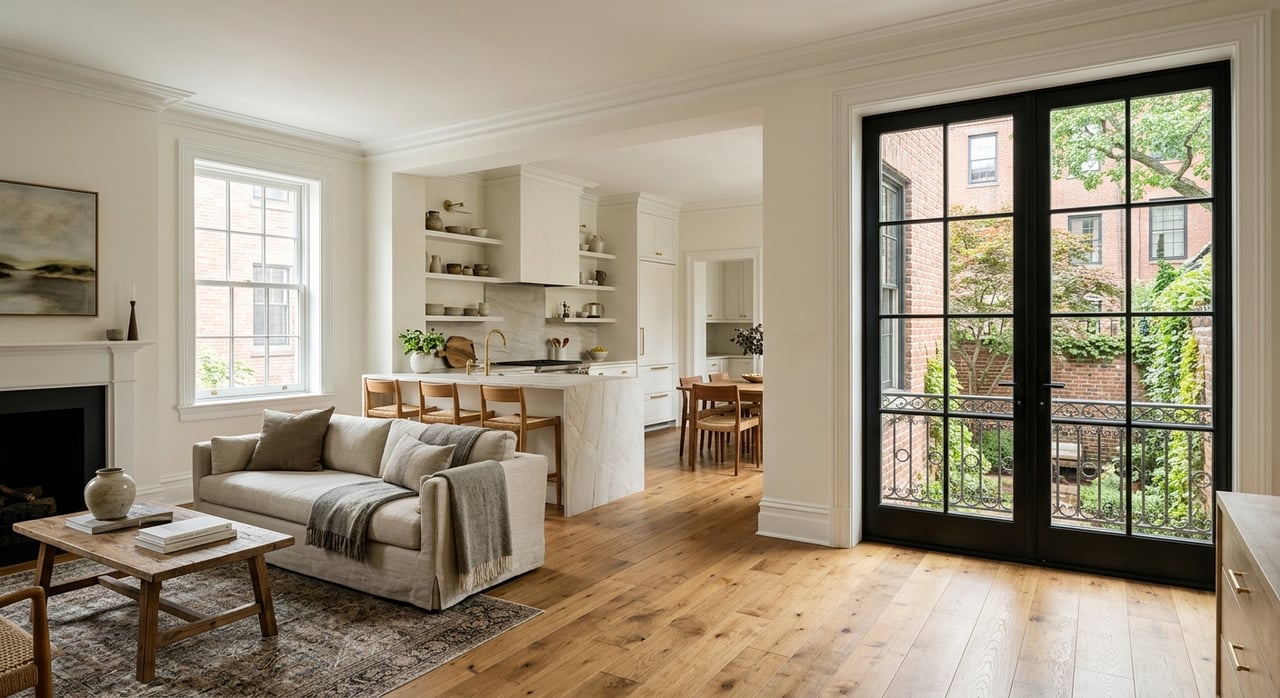
Cambridge Condo Resale Value: What Buyers Notice Most
May 14, 2026
May 14, 2026
Wondering what really helps a Cambridge condo hold its value when it is time to sell? In a city where buyers often balance location, monthly costs, building quality, and day-to-day convenience, resale potential rarely comes down to just square footage. If you own a condo in Cambridge or are thinking about buying one, it helps to know which details tend to matter most so you can make smarter decisions now and later. Let’s dive in.
Cambridge has a strong urban housing profile, and that shapes condo demand in a big way. The city has 121,186 residents packed into 6.39 square miles, with about 18,520 people per square mile, according to the U.S. Census. That density, combined with a median household income of $130,748, points to a large buyer pool that often values convenience, low-maintenance living, and access to daily amenities.
The local housing numbers support that picture. The Census reports a median owner-occupied home value of $1,092,100 and median gross rent of $2,787, which reflects a high-cost, high-demand market. In that kind of environment, condos can appeal to buyers looking for a more manageable ownership option in a very competitive city.
In Cambridge, location does more than shape lifestyle. It can directly affect how broad your future buyer pool may be. Condos near major transit and commercial hubs often attract more interest because buyers are looking for easier access to work, services, and everyday convenience.
The city identifies Harvard Square, Central Square, Kendall Square, and East Cambridge as major commercial and transit districts. Cambridge tourism materials also highlight Red Line access through Kendall Square, Central Square, Harvard Square, Porter Square, and North Cambridge, while Lechmere serves as a major transit center for East Cambridge. These areas connect housing with jobs, restaurants, shops, and public transportation, which can make nearby condos easier for buyers to picture themselves in.
Kendall Square is especially notable because the city describes it as having evolved into a major biotech and innovation center with housing, hotels, restaurants, and shops. That kind of mixed-use environment can support steady interest from buyers who want an urban, connected lifestyle. Even within the same city, small differences in transit access and neighborhood setting can change resale performance.
When buyers compare Cambridge condos, they often start with practical questions like these:
If your condo checks several of those boxes, it may appeal to a wider range of future buyers.
A great location can only do so much if the building itself raises concerns. In condo resale, buyers are not just buying your unit. They are also buying into the association, the shared finances, and the overall condition of the property.
That matters in Cambridge, where zoning and development can vary block by block. The city says its zoning ordinance controls use, building size and scale, parking, and other design factors, and some projects require special permits or variances. For buyers, that can shape both the existing building environment and what might be built nearby over time.
Cambridge’s 2026 housing review also notes that recent multifamily zoning reform is intended to make multifamily housing easier to build, with taller heights allowed in special districts such as Kendall, North Point, and Alewife. In 2025, the city reported 48 building permits and 153 new housing units, with more of a shift toward smaller multifamily projects rather than one or two very large developments. That suggests near-term supply remains fairly limited, although the longer-term pipeline of about 5,000 market-rate units in Kendall Square, North Point, and Alewife could create more competition in some submarkets.
Lenders look closely at condo projects during the financing process. The research report notes that project budgets, financial statements, reserve studies, and ownership or occupancy characteristics can all affect whether a condo project meets lending standards. Fannie Mae also notes that condo fees may fund insurance and reserves, and that buyers should confirm whether a project is warrantable.
In practical terms, a well-run association can make resale smoother. Buyers and lenders tend to feel more comfortable when a building has:
If an association has weak reserves or major deferred maintenance, that can narrow the buyer pool and create financing friction.
Not every resale advantage comes from the address or the building. The unit itself still matters, and in Cambridge, functionality often carries real weight. Buyers usually notice how a condo lives day to day, not just how big it looks on paper.
The research report points to layout, natural light, and usability as key factors. NAR materials note that buyers commonly value natural light and outdoor features, and Cambridge historical review materials show that residents and reviewers often raise concerns about loss of light, privacy, trees, and green space in new development discussions. That context helps explain why bright units with good exposure can feel especially appealing in this market.
A smart floor plan can make a modest condo feel much more livable. Buyers often respond well to spaces that feel open, efficient, and easy to furnish. Awkward layouts, dark interiors, or rooms with limited flexibility can make resale harder, even if the unit has solid square footage.
Natural light can also make a strong first impression. In a dense city, a condo that feels bright and airy may stand out quickly against similar listings.
Usable outdoor space is another feature that can help a condo stand out. Zillow research cited in the report found value premiums for outdoor features, and Cambridge is also investing in more public open space in Kendall Square and Eastern Cambridge. Even a small balcony, patio, roof deck, or well-designed shared courtyard can add to a unit’s appeal.
That does not mean every buyer expects a large private terrace. In Cambridge, even modest outdoor access can feel meaningful because it is harder to find and often highly valued in an urban setting.
Cambridge is transit-rich, but parking remains a practical issue for many buyers. The city says most residential streets are parking by permit only, and demand for parking exceeds supply. Because of that, a deeded parking space, garage parking option, or strong storage setup can make a condo more competitive at resale.
This is one of those features that may not matter equally to every buyer, but it can widen the audience. If two similar condos hit the market at the same time, parking or useful storage may help one rise to the top.
Resale value is not just about the asking price. Buyers also look at what it costs to own the condo month to month. In Cambridge, that calculation can shape how attractive your unit feels compared with similar options.
Cambridge’s official FY26 tax update says the residential tax rate is $6.67 per $1,000 of assessed value and lists a median condominium tax bill of $1,926. On top of taxes, buyers also compare HOA fees, anticipated maintenance, and the overall predictability of recurring costs.
A condo with reasonable monthly carrying costs may be easier to sell than a similar unit with much higher fees. That is especially true in a market where buyers are already balancing high purchase prices with interest rates and other ownership expenses.
Recent market snapshots show that Cambridge remains active, but buyers appear more selective than they were at the height of the pandemic market. According to Redfin, Cambridge homes received about two offers on average and sold in around 40 days, with a March 2026 median sale price of $1.35 million, down 6.1% year over year.
For condos specifically, Redfin shows 134 condos for sale at a median listing price of $867,000 and about 29 days on market. Realtor.com’s snapshot differs, showing a median listing price of about $1.03 million, a 98% sale-to-list ratio, and 25 median days on market. While the exact numbers vary by source and methodology, the broader takeaway is consistent: Cambridge is still active, but buyers are weighing price, condition, and value carefully.
If you are buying a condo in Cambridge, it helps to think like your future buyer from day one. A well-located unit in a financially stable building with strong light, functional space, and manageable monthly costs may give you more flexibility later. Resale potential is never guaranteed, but some properties clearly check more of the right boxes.
If you already own a condo, it is worth reviewing the factors you can control. Building records, association health, presentation, and strategic improvements can all affect how buyers respond once your unit hits the market.
Use this quick list to evaluate a Cambridge condo’s resale strength:
No condo is perfect in every category. Still, the more of these factors your unit offers, the stronger its resale story may be.
If you want help evaluating a Cambridge condo’s resale potential, pricing strategy, or buyer demand in today’s market, Mckenzie Howarth- can help you think through the details with a local, data-driven approach.

One of the major story lines over the last year is how well the residential real estate market performed.

Move right in and enjoy a spacious, immaculately customized, and comfortable home that is sure to impress.

The Trend Report curates insights from our exclusive Coldwell Banker Global Luxury Realty and Censuswide survey.

A seller credit is an excellent way to work with a seller to get the outcome you need in this higher interest rate environment.
Real Estate
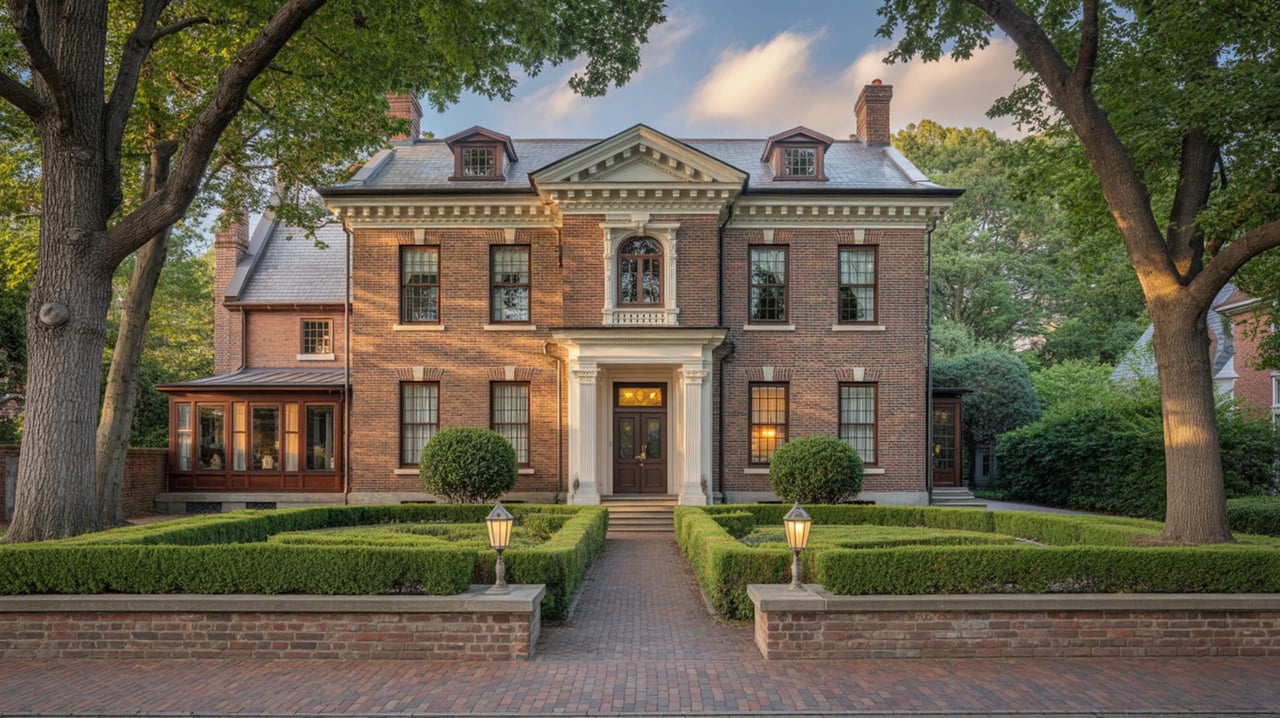
Exploring How Historical Charm and Market Trends Impact Property Worth

Blending local insight with innovative strategy, this professional delivers a tailored real estate experience. Every move is guided by trust, expertise, and a commitment to achieving the best outcome.

27 Boylston St Suite 310 Chestnut Hill MA 02467