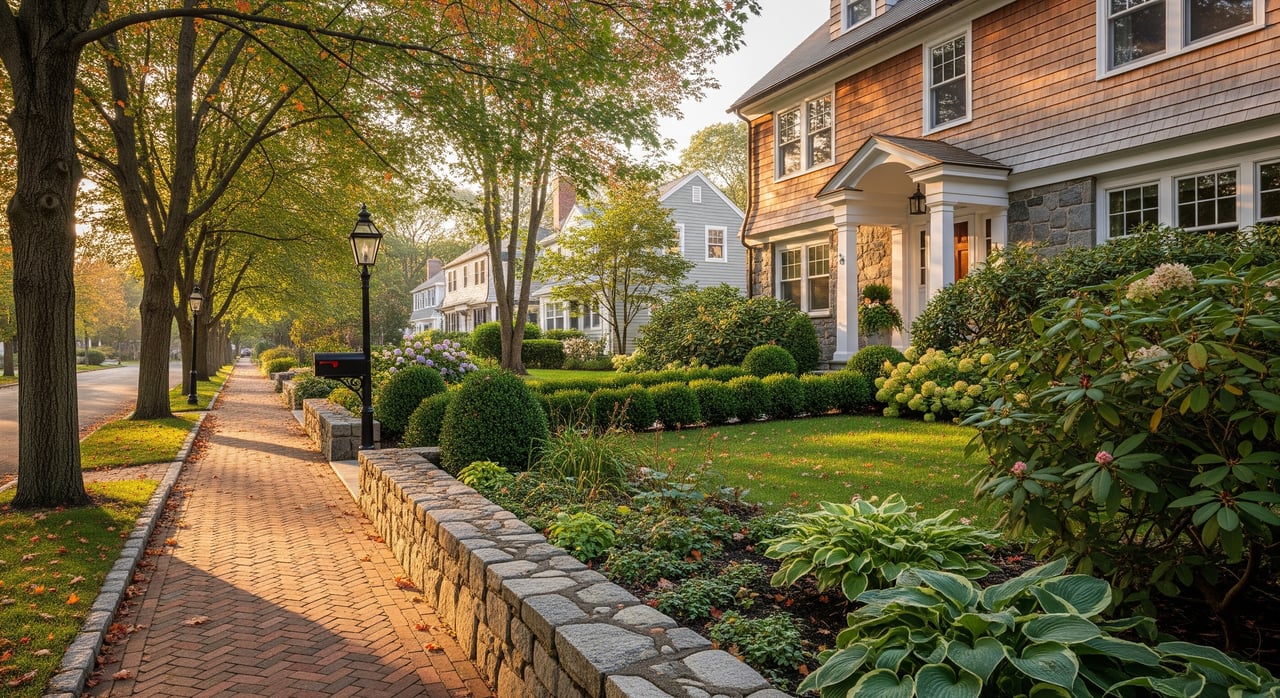
Living In Waban: Village Feel Near The City
February 5, 2026
February 5, 2026
Looking for a quiet, tree-lined neighborhood without giving up city access? If you want a small-village routine and an easy ride into Boston, Waban may fit your list. In this guide, you’ll learn what daily life looks like, how you’ll get around, what kinds of homes you’ll find, and what to know before you buy or renovate. Let’s dive in.
Waban is one of Newton’s western villages, shaped by early 20th-century streetcar development. You’ll find a compact village center along Beacon Street with sidewalks, small storefronts, and the nearby Green Line D branch stop. Because Waban sits within the City of Newton, services like schools, parks, and permitting are citywide.
The feel is calm and residential, yet you stay close to transit and major roads. Many homes reflect the era when the streetcar made suburban living popular, which gives the village its classic, cohesive streetscapes.
Most days start with simple errands on foot. The village center offers small cafes, independent eateries, salons, service businesses, and convenience retail. You can pick up a coffee, handle a quick appointment, or grab a bite without getting in the car.
For larger shopping trips, many residents drive a short distance to full-service supermarkets in nearby Newton villages or adjacent towns. The sidewalks, mature trees, and stone walls make even a quick loop around the block feel relaxed.
Outdoor time is easy here. Waban residents tap into Newton’s network of parks and reservations, including scenic options like Hemlock Gorge and the Charles River greenways for walks and runs. For a deeper look at local conservation areas, explore the resources from the Newton Conservators.
Neighborhood streets often feature a mature tree canopy and planted front yards. That greenery creates a pleasant walking routine, whether you’re out with a stroller, a dog, or your running shoes.
Waban is served by the MBTA Green Line D branch, which offers a direct or transfer ride into central Boston. Typical trips to downtown often range about 30 to 45 minutes depending on the time of day, schedule, and transfers. Check the MBTA for current headways and trip planning.
Driving is common for errands and regional trips. You have quick connections to Route 9 and I-95/Route 128, with commute times that vary based on traffic. Near the village center, some on-street parking areas may have time limits or permit requirements. For current rules and updates, refer to the City of Newton.
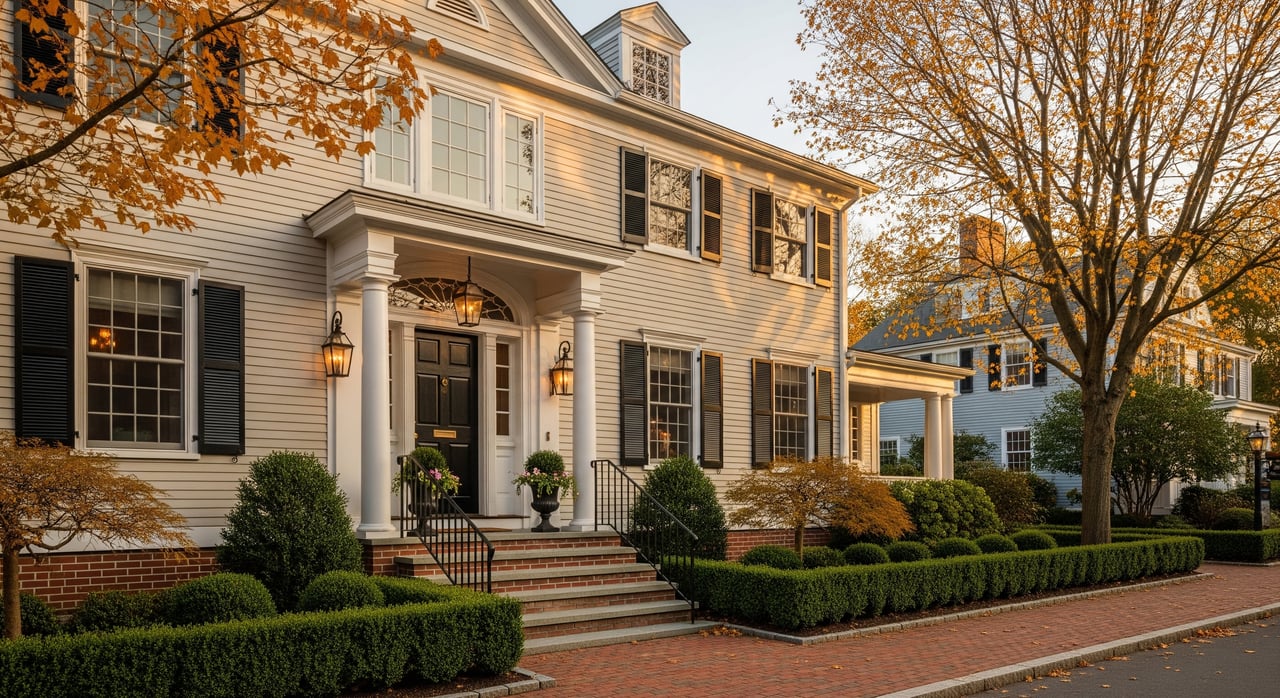
Single-family homes are the dominant housing type in Waban, generally on moderate to larger lots. You’ll see classic styles like Colonial Revival, Tudor Revival, and Craftsman/Bungalow, along with later 20th-century builds. Many homes date from the late 1800s through the 1930s, reflecting Waban’s streetcar-suburb era.
Closer to the village center and along transit corridors, you may find smaller multi-family buildings and some condo conversions. Newer infill construction appears in limited supply due to zoning and neighborhood character considerations.
Newton villages, including Waban, are high-demand submarkets with limited inventory and strong buyer interest. Pricing often carries a premium compared with many Greater Boston suburbs, and turnover tends to be lower. If you want current numbers like median sale price or days on market, use real-time sources and define whether data is for Waban, a zip code, or all of Newton. City-level context is available through U.S. Census QuickFacts.
Waban attracts a mix of households who value a residential setting with city access. Many buyers appreciate the village center, parks and greenways, and the option to commute by rail. School assignments are set by Newton Public Schools and can change over time. Always verify by address using the Newton Public Schools site.
Downsizers who want lower-maintenance living near amenities may find smaller homes or condos near transit, though supply is limited. Commuters to Boston or Cambridge often weigh living close to the Green Line against larger-lot options a bit farther out.
Use this quick list to shop with confidence:
With a hands-on, research-driven process, you can coordinate vendor due diligence, permit checks, and thoughtful staging or improvements that maximize value.
Morning: Walk to the village center for coffee and a quick errand. Midday: Head to the Green Line for a ride into Boston. Evening: Take a stroll through tree-lined streets or along the Charles River greenways. Weekend: Explore Hemlock Gorge, visit nearby parks, and plan a short drive for bigger errands.
The rhythm is calm and practical. You can keep your urban habits while enjoying more space and greenery.
If you want a quieter village feel, walkable daily needs, and a realistic rail commute, Waban is worth a close look. The housing stock offers character and yard space, while the city context gives you robust services and parks.
If you’re considering a move, let a local advisor help you compare locations within Waban, understand zoning, and plan a smart offer or listing strategy. Connect with Mckenzie Howarth for neighborhood-level guidance, data-informed pricing, and full-service marketing or due diligence support.

One of the major story lines over the last year is how well the residential real estate market performed.

Move right in and enjoy a spacious, immaculately customized, and comfortable home that is sure to impress.

The Trend Report curates insights from our exclusive Coldwell Banker Global Luxury Realty and Censuswide survey.

A seller credit is an excellent way to work with a seller to get the outcome you need in this higher interest rate environment.
Real Estate
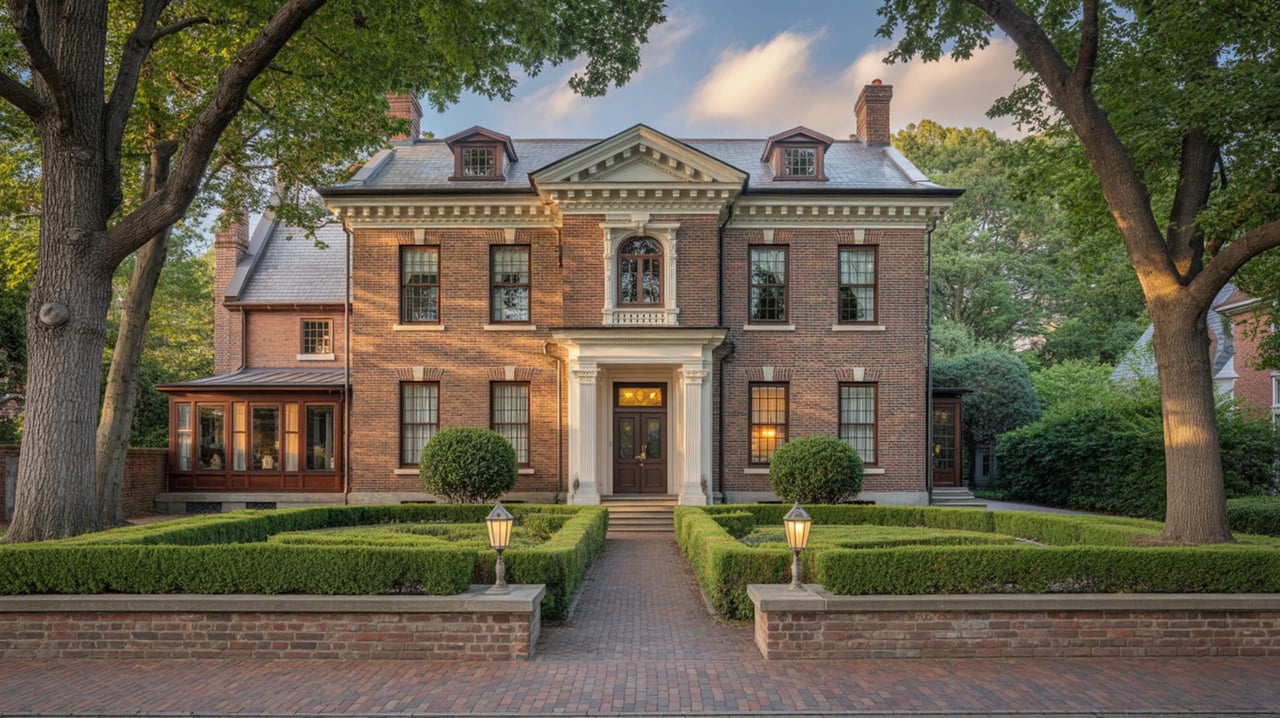
Exploring How Historical Charm and Market Trends Impact Property Worth

Blending local insight with innovative strategy, this professional delivers a tailored real estate experience. Every move is guided by trust, expertise, and a commitment to achieving the best outcome.

27 Boylston St Suite 310 Chestnut Hill MA 02467