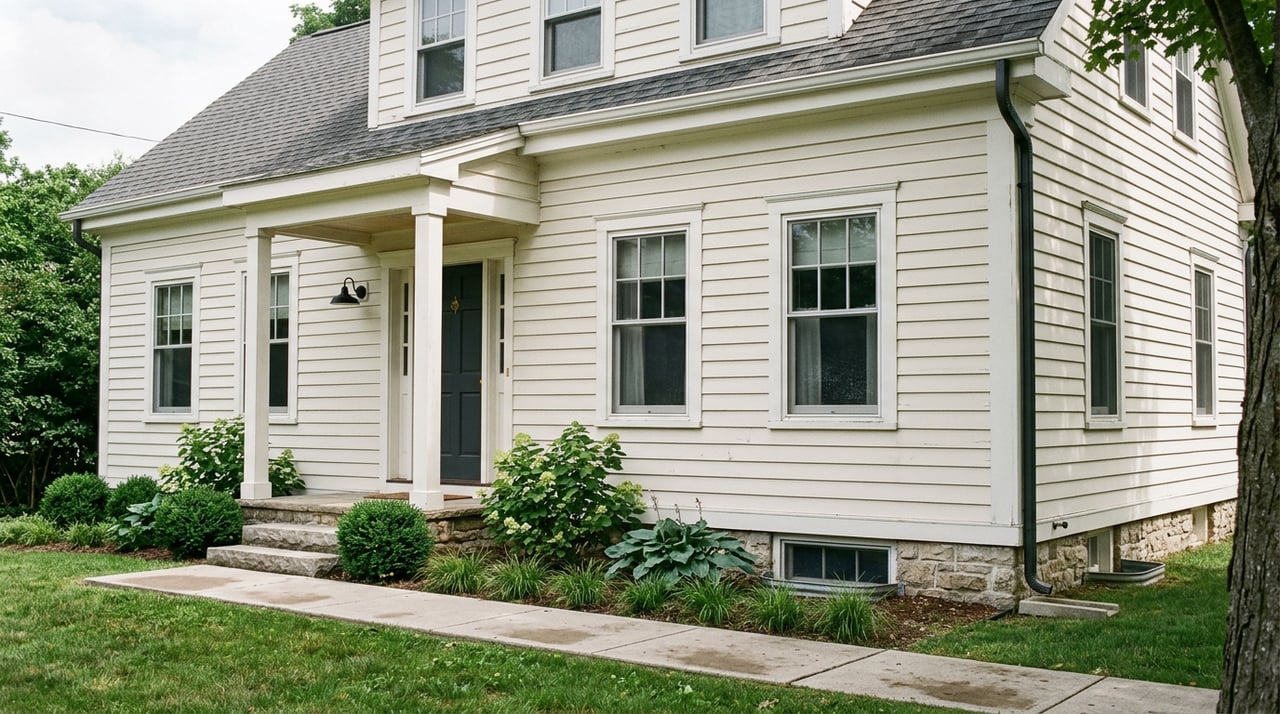
Buying a fixer in Needham can be a smart way to land the right house in a tight, high-cost market. The challenge is telling a simple cosmetic refresh from a project that eats your budget. If you know what to look for, you can move fast with confidence and avoid costly surprises. This guide shows you how to spot real value, check Needham’s rules, and plan updates with solid resale in mind. Let’s dive in.
Why Needham fixer-uppers can work
Needham is a sought-after Boston suburb with limited inventory and strong demand for move-in-ready homes. Typical home values often range from roughly $1.2M to $2.6M depending on the metric and timeframe. Owner-occupancy is high, which supports renovations that appeal to broad buyer preferences like modern kitchens, refreshed baths, and updated systems.
Market metrics vary by source and period, so treat any estimate as a range and lean on current local MLS data when pricing offers and post-renovation value. In a higher-cost market, buying a tired home with solid bones can unlock equity if you keep scope focused on improvements most buyers value.
What real value looks like on a walkthrough
Layout and light: cosmetic upside
Look for homes where you can upgrade finishes without moving plumbing stacks or major walls. Good signs include:
- A kitchen that connects reasonably to dining and living spaces.
- One bath or bedroom that can be modestly reconfigured to create a primary suite.
- Natural light and logical circulation with few landlocked rooms.
Small kitchens and baths often respond well to cabinet refacing, counters, lighting, and flooring. Validate plans against nearby comps before you commit.
Structural red flags
Some issues push a project from cosmetic into heavy construction. Budget for an engineer if you see any of the following:
- Foundation cracks wider than hairline, bowing walls, or step cracks with displacement.
- Sagging beams or joists, uneven floors, or doors and windows that stick.
- Chimney pulling away from framing or evidence of widespread roof leaks.
These conditions can be fixable, but they require professional evaluation and a larger contingency.
Systems and service-life checks
Older New England homes often carry hidden system costs. During your first visit, look for:
- Electrical: visible knob-and-tube, an undersized or overcrowded panel, or lack of grounding. A rewire can be a major line item.
- Plumbing: galvanized piping suggests corrosion and restricted flow. Copper or modern plastics lower risk.
- Heating/HVAC: older boilers or oil heat may prompt replacement or fuel conversion. Confirm hot-water heater age.
- Sewer vs septic: Needham maintains municipal water and sewer townwide. Confirm service status with the Water & Sewer Division and the assessor card before planning additions or basement baths. Review the town’s guidance via the Needham Water, Sewer & Drain Division.
Environmental hazards to respect
- Lead paint: common in pre-1978 homes. Expect disclosure obligations and use licensed pros if you plan deleading.
- Radon: the EPA recommends testing every home. Plan for mitigation if levels exceed action thresholds. See the EPA radon overview and zone map.
- Asbestos: may appear in pipe insulation, floor tiles, or siding. Intact materials are often best left undisturbed. Learn basics from the CPSC asbestos guide.
- Underground oil tanks: if a tank is present or suspected, expect lender and insurer scrutiny. Review Massachusetts guidance through the MassDEP underground storage tank program.
Needham rules that can change scope
- Permits and history: Needham requires online applications and publishes recent permits. Before you write an offer, search the address in the town’s portal and ask the Building Division about any older records. Start with the Needham Building Department page.
- Wetlands and riverfront: Projects near wetlands (100-foot buffer) or riverfront areas (200 feet) often require Conservation Commission review and an Order of Conditions. Early contact helps you avoid delays. See the Needham Conservation Commission.
- Historic and demolition delay: The Historical Commission can impose a demolition delay for certain properties and reviews exterior changes on inventoried homes. Check status early via the Needham Historical Commission.
- State building and energy code: Significant structural or envelope work may trigger current energy and safety standards. Plan reviews can affect timelines and budgets.
Renovation ROI: prioritize these projects
National Cost vs. Value research shows that focused, lower-disruption projects often recoup more than big additions. In many markets, items like entry and garage doors, selective siding or window replacements, decks, and minor kitchen updates show stronger resale payback than full-gut kitchen or bath expansions. Review current regional figures in the Zonda 2025 Cost vs. Value Report, then right-size your scope for Needham comps and buyer expectations.
A simple rule of thumb: if your exit is near-term resale, favor visible, high-impact improvements and system updates that reduce buyer friction. Reserve major additions for long-term ownership or when the lot, zoning, and comps clearly support it.
How to finance a fixer purchase
If you want to combine purchase and renovation costs in one mortgage, ask lenders about FHA 203(k) loans. The Standard 203(k) typically requires a HUD-approved consultant and controls for plans and draws, while the Limited 203(k) suits smaller scopes. Some banks also offer conventional renovation or construction-to-permanent products. Program terms and limits change, so speak with a local lender early. For an overview, see this primer on FHA 203(k) rehab loans.
A simple Needham due-diligence plan
- Pre-offer checks
- Inspection period
- Order a full home inspection and add a structural engineer if you see foundation or framing concerns.
- Have a licensed electrician assess panel capacity, grounding, and potential knob-and-tube.
- Get plumbing/HVAC scopes with written estimates for replacements or fuel conversions.
- Test for radon and plan mitigation if needed using EPA guidance: radon zones and testing basics.
- If a tank is present or suspected, consult the MassDEP UST guidance and consider a limited subsurface investigation.
- Negotiate or walk away
- Cosmetic issues with clear contractor quotes: request credits or price adjustments.
- Structural, full rewire, or soil contamination: get professional remediation estimates. Renegotiate, require seller remediation, or walk if risk overwhelms upside.
- Before work begins
- Confirm your contractor will pull all required building, electrical, plumbing, and mechanical permits, and obtain final sign-offs or a Certificate of Occupancy where applicable.
Quick do and don’t list
- Do test for radon and, for pre-1978 homes, address lead paint disclosures and safe work plans.
- Do verify sewer status and permit history before you offer.
- Do budget for licensed trades on electrical, plumbing, HVAC, and any suspected structural fixes.
- Don’t assume a “simple” kitchen or bath is low-cost if layouts require moving stacks or walls.
- Don’t start exterior additions near wetlands or riverfront without Conservation guidance.
- Don’t proceed with a suspected underground oil tank without documentation and expert advice.
Ready to hunt Needham fixers?
You do not need to navigate this alone. With a data-first approach, deep vendor relationships, and hands-on due diligence, you can buy the right project and keep risk in check. If you want help scouting opportunities, validating scope, and connecting with trusted contractors and lenders, reach out to Mckenzie Howarth for a focused plan.
FAQs
What makes a Needham fixer a good candidate?
- A functional layout with light, modest kitchen and bath upgrades that do not require moving plumbing stacks, no major structural red flags, and utility status confirmed with the town.
How do I confirm sewer service for a Needham home?
Do I need Conservation Commission approval for an addition in Needham?
- If your lot is within 100 feet of wetlands or 200 feet of riverfront, you likely need review and an Order of Conditions. Begin with the Needham Conservation Commission.
Which renovations usually offer better resale value in Needham?
- Regionally, minor kitchen work and certain exterior replacements often recoup more than large additions. Review local context using the Zonda Cost vs. Value Report.
What is an FHA 203(k) loan and how can it help?
- It lets you finance purchase and renovation in one mortgage, with program rules and consultant oversight for larger scopes. Learn basics here: FHA 203(k) rehab loans.