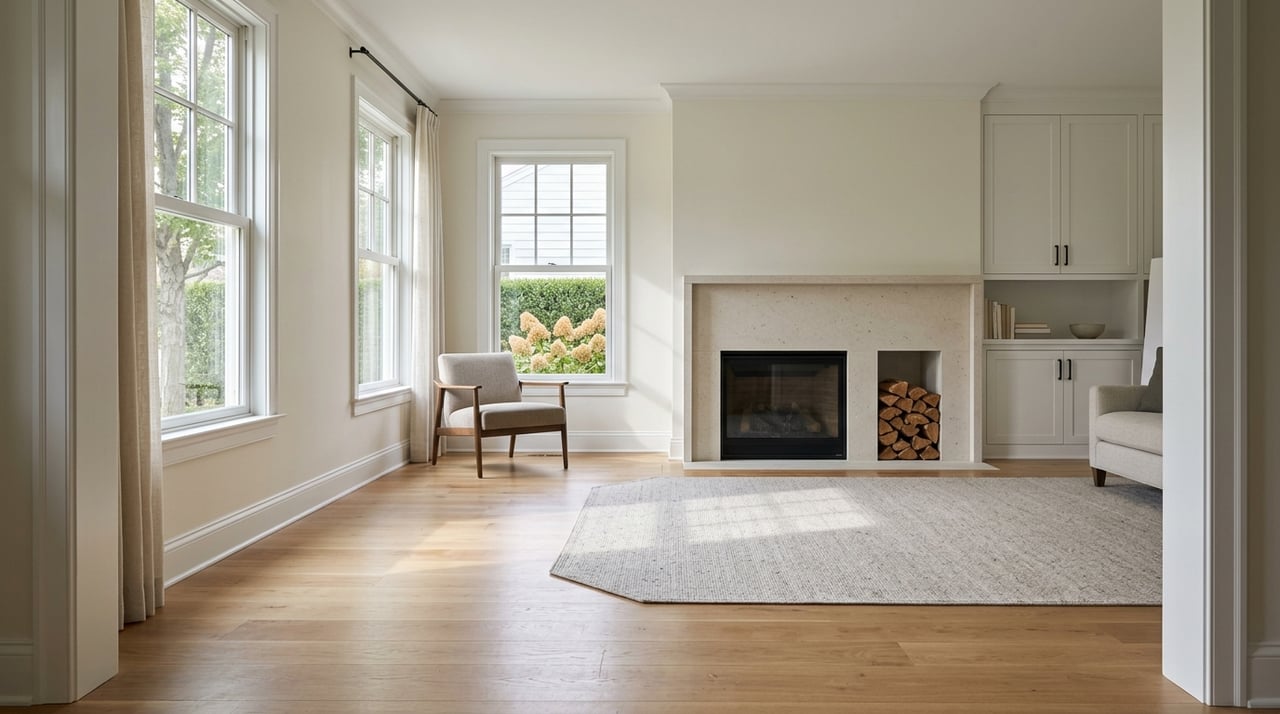
Needham New Construction Homes vs. Older Homes
June 11, 2026
June 11, 2026
Buying in Needham often comes down to one big question: do you want the polish of brand-new construction, or the charm and upside of an older home? If you are weighing that decision, you are not alone. In a market with limited inventory, high prices, and many homes built decades ago, the right choice depends on how you want to live now and what kind of work you are willing to take on later. Let’s break it down.
Needham is not a place where brand-new homes usually appear on untouched lots. The town’s housing profile shows that detached and attached dwellings make up 81% of housing units, and owner-occupied homes account for 82.6% of occupied units. It also shows that 23.8% of the housing stock predates World War II, and about 44% was built from 1940 to 1969.
That age mix matters because it shapes what buyers actually see on the market. In Needham, much of the newer single-family supply has come from teardown and replacement activity rather than large new developments. Between 2010 and 2017, teardown and replacement activity accounted for more than 90% of new single-family and two-family production.
Today’s market is also tight. In the Massachusetts Association of Realtors’ February 2026 Needham update, single-family inventory was 37 homes, supply was 1.8 months, and the median sale price for the month was $2.075 million. Homes were also receiving 96.0% of original list price on average, which tells you buyers are still making careful tradeoffs between condition, layout, and long-term value.
In Needham, “new construction” usually means a newly built home replacing an older one on an existing lot. That is an important local detail because it affects everything from lot size and streetscape to how a home compares with nearby properties. You are often looking at a new house in an established area, not a home in a brand-new subdivision.
New construction also comes with a more current building standard. Massachusetts updates its building code every three years, and the state says the Stretch Code is designed to produce more energy-efficient construction. That can translate into a more move-in-ready experience and fewer immediate upgrade projects after closing.
On the town side, these homes are part of a permit-driven process. Needham’s Building Department administers state building codes, local zoning bylaws, permits, inspections, and safety reviews. Permit applications are submitted online, and inspections are scheduled after permits are paid in full.
For many buyers, the biggest draw is simplicity. A newer home often offers a modern layout, current systems, and finishes that feel ready from day one. In a low-inventory market, that convenience can be especially appealing.
Newer construction may also offer efficiency advantages. Massachusetts climate guidance notes that decarbonizing newly built housing is feasible, while retrofitting existing buildings is often more complicated and costly. That does not mean every new home is the same, but it does support the idea that building new can be a cleaner path to current energy standards.
Buyers also tend to like the reduced short-term maintenance planning. While no home is maintenance-free, a newly built property is generally less likely to need immediate insulation, system, or finish upgrades. In Needham, that often makes new construction the premium, lower-immediate-maintenance option.
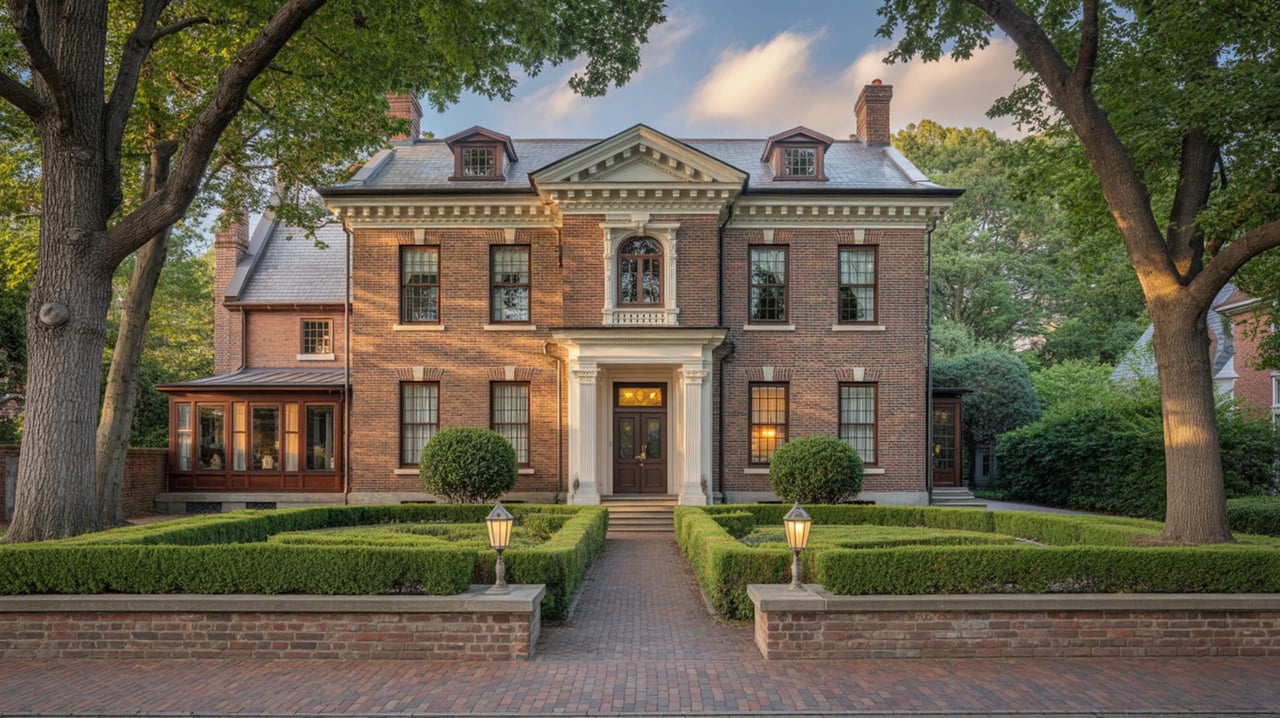
Older homes remain a major part of Needham’s identity and inventory. Because so much of the housing stock was built before 1970, buyers will continue to see classic colonials, capes, and other older homes as a meaningful part of the market. These homes often appeal to buyers who value established settings and are open to improving a property over time.
In practical terms, older homes are often the renovation and value-add option. Massachusetts notes that the state’s housing stock is old and that many existing homes lack adequate insulation. The state also says retrofitting existing buildings is often more complex and costly than building new.
That does not mean an older Needham home is a bad fit. It means you should go in with a plan. If you are comfortable budgeting for updates and phasing improvements over time, an older home may give you the chance to tailor the property to your needs rather than paying upfront for someone else’s finished product.
Some buyers want the flexibility to renovate rather than pay a premium for new finishes. Others are looking for homes where thoughtful updates can unlock value over time. In a high-price market like Needham, that can be an important strategy.
Operating costs can also improve with the right upgrades. Massachusetts recommends starting with a no-cost Mass Save home energy assessment, and the state says homeowners may be able to access rebates and incentives for insulation, efficient equipment, and other improvements. So while an older home may not start out as the most efficient option, it does not have to stay that way.
Older-home ownership usually calls for more near- and mid-term planning. You may be looking at insulation upgrades, system replacements, finish updates, or all three. If you like the idea of improving a home in stages, that tradeoff may feel worthwhile.
Whether you buy new construction or an older home, due diligence matters. In Massachusetts, current home inspection rules are buyer-friendly. Under 760 CMR 74.00, sellers generally may not condition acceptance of an offer on a buyer waiving or limiting a home inspection, and a required disclosure must be provided before the first written contract.
It is also important to know what an inspection can and cannot do. The state says a home inspection is a visual examination of readily accessible components and is inherently limited. It helps you identify visible issues, but it does not guarantee there will never be future problems.
For older homes in Needham, extra checks often matter most. The Massachusetts Department of Public Health recommends radon testing for all homes, and the Massachusetts Lead Law applies to homes built before 1978. If renovation work disturbs painted surfaces in a pre-1978 home, lead-safe renovation rules may apply.
If you are buying an older home with plans to improve it, local process matters almost as much as the house itself. Needham requires electronic permit submission, maintains online permit records, and schedules inspections only after permits are fully paid. Inspection scheduling also requires at least three business days.
That means your post-closing renovation timeline may not be instant. Contractor coordination, permit review, and inspection scheduling should be part of your home search strategy, not something you think about after the purchase is complete. For buyers considering a value-add property, this is where strong planning can make a real difference.
| Factor | New Construction | Older Homes |
|---|---|---|
| Typical Needham context | Often teardown and rebuild on an existing lot | Large share of existing town inventory |
| Upfront condition | More turnkey | More likely to need updates over time |
| Energy performance | Often aligned with current code and Stretch Code goals | May require staged upgrades |
| Maintenance outlook | Lower immediate maintenance planning | More near- and mid-term planning |
| Buyer appeal | Convenience and move-in readiness | Customization and renovation upside |
If you want a home that feels ready on day one, new construction may be the better fit. In Needham’s low-inventory, high-price market, that convenience can be worth paying for, especially if you want to limit early repair decisions and focus on settling in.
If you are comfortable taking a longer view, an older home may offer more room to create value. That path usually works best when you understand the likely upgrade cycle, budget realistically, and have a clear plan for inspections, contractors, and permits.
Neither option is automatically better. The smarter move is the one that matches your timeline, budget, risk tolerance, and willingness to manage work after closing. In Needham, that kind of clear-eyed comparison is what helps buyers make confident decisions.
If you are comparing a newer rebuild with an older colonial or cape in Needham, the details matter more than the label. Mckenzie Howarth- can help you evaluate condition, review permit history, coordinate due diligence, and find the right fit for how you want to live.

One of the major story lines over the last year is how well the residential real estate market performed.

Move right in and enjoy a spacious, immaculately customized, and comfortable home that is sure to impress.

The Trend Report curates insights from our exclusive Coldwell Banker Global Luxury Realty and Censuswide survey.

A seller credit is an excellent way to work with a seller to get the outcome you need in this higher interest rate environment.
Real Estate
Exploring How Historical Charm and Market Trends Impact Property Worth

Blending local insight with innovative strategy, this professional delivers a tailored real estate experience. Every move is guided by trust, expertise, and a commitment to achieving the best outcome.

27 Boylston St Suite 310 Chestnut Hill MA 02467