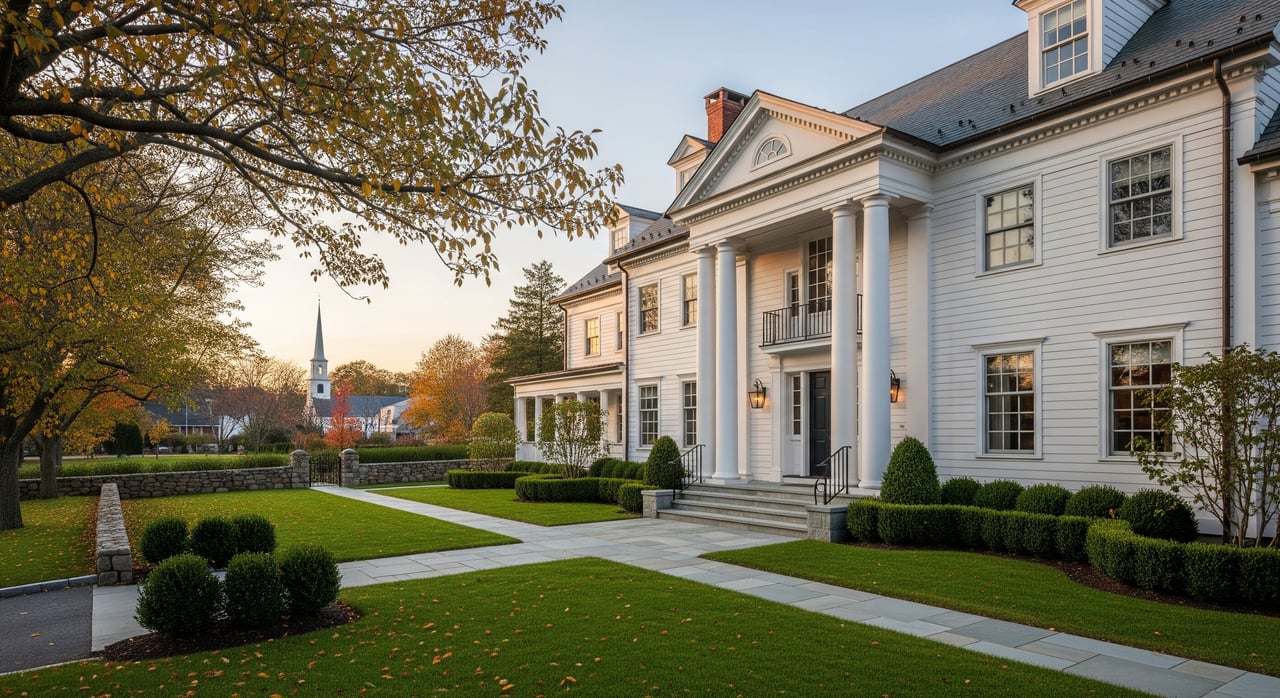
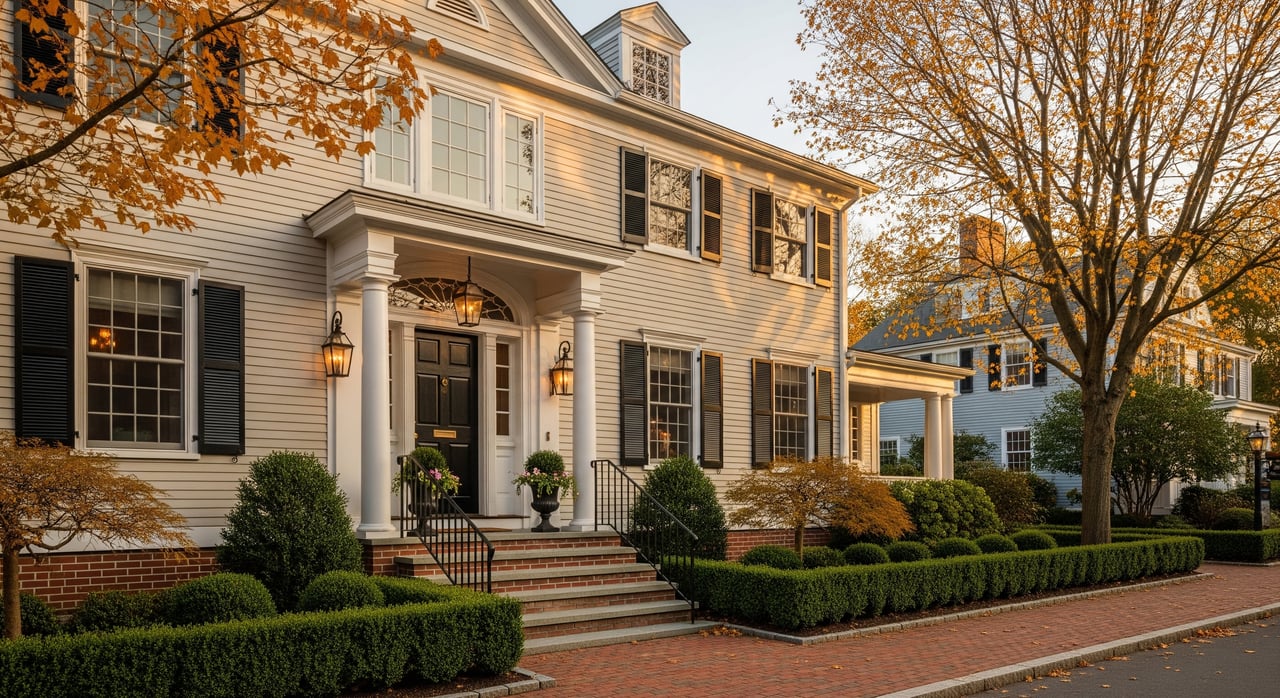
Thinking about selling your Newton Highlands home in the next 3–6 months? You want a clear number, the right timing, and a plan to make your listing shine without wasting a dollar. The good news is that a data-backed valuation and pricing session can give you confidence, reduce surprises, and set you up for a smooth sale. In this guide, you’ll see how your valuation is built, which pricing strategies work best locally, and exactly how to prep and market your home. Let’s dive in.
Why a local, data-backed valuation matters
Newton Highlands is a village within the City of Newton, and buyers look closely at micro-location, transit access, and property condition. Proximity to the MBTA Green Line D branch at the Newton Highlands stop and convenient routes to Boston often drive demand. Because neighborhoods can shift quickly, the most recent MLS data for Newton and adjacent villages like Newton Centre and Newton Upper Falls is essential for accurate pricing.
A professional valuation brings together multiple sources and context:
What you receive in your valuation and pricing session
You’ll leave with a clear, documented plan tailored to your address and timeline:
- Comparable sales packet with 3–6 closed, pending, and active comps prioritized for Newton Highlands and adjacent Newton villages.
- Suggested pricing range and a recommended list price with rationale.
- Sensitivity scenarios that show conservative, market, and aspirational strategies with expected days on market.
- Prep and marketing timeline with dates for photos, staging, and open houses.
- Recommended updates prioritized by expected ROI based on local comps and buyer expectations.
- Sample seller net sheet estimating costs and projected proceeds at different price points.
How we build your value estimate
A thorough valuation blends several approaches and on-the-ground judgment.
Selecting comparables in Newton Highlands
- Geography first: start in Newton Highlands, then carefully extend to Newton Centre, Newton Upper Falls, and other nearby Newton villages with similar housing stock.
- Time window: 3–6 months when possible; if inventory is thin, extend to 12 months with time adjustments.
- Property match: same property type, within about 10–20 percent of living area, and similar bedroom and bathroom counts.
- Key features: lot size, garage or parking, updates like kitchens and baths, finished lower levels or attics, and energy or mechanical upgrades.
- Street-level context: proximity to transit, parks, and notable streets that influence buyer perception.
Adjusting for differences
- Condition and updates: remodeled kitchens and baths, newer systems, and well-executed cosmetic work can justify higher value. Deferred maintenance reduces value.
- Living area: price per square foot provides a baseline, but layout, functionality, and additional baths matter as much as raw size.
- Outdoor space: larger or more usable yards, decks, and patios can meaningfully influence pricing.
- Parking and storage: a garage, driveway space, or ample storage often resonates with Newton buyers.
Limits of online estimates
Automated valuations are a quick reference, but they often miss micro-neighborhood nuances and the value of thoughtful updates. Use them as one data point, then rely on an MLS-based comparative market analysis for your final pricing decision.
Pricing strategy for the next 3–6 months
Your pricing plan should match both the current market and your goals.
Choose your pricing band
- Lower-price band: positions you slightly below market to spark strong early activity, often used to attract multiple offers when inventory is lean.
- Middle-price band: aligns with recent comps and typical buyer expectations for your segment.
- Upper-price band: targets a premium if your home has rare features, unique design, or exceptional condition. Expect longer market time and more selective buyers.
Seasonality and timing
Spring is historically the busiest season for suburban buyers, and many sellers aim for late winter or spring to capture that energy. If you plan to list in 3–6 months, use that lead time to complete targeted repairs and staging so professional photography can happen before your ideal list date. We will update your valuation 2–3 weeks before going live to reflect the freshest comps and any shifts in mortgage rates.
Mortgage rates and buyer affordability
Small rate changes can move monthly payments by hundreds of dollars and shift the buyer pool for mid to higher price points. We watch rate trends using the Freddie Mac PMMS and will model simple payment scenarios alongside your pricing range so you can see how rates may affect demand.
Pre-listing prep and timeline
Thoughtful preparation can improve your net proceeds and reduce renegotiations.
Checklist: what to handle first
- Major systems: evaluate roof, HVAC, electrical, and plumbing safety. Consider a pre-listing inspection to surface issues.
- Cosmetic tune-ups: fresh neutral paint, minor kitchen or bath touch-ups, deep cleaning, and decluttering.
- Floors and finishes: refinish or clean as needed to align with buyer expectations for your price tier.
- Curb appeal: landscaping refresh, exterior wash, and tidy walkways.
- Staging and visuals: professional staging, photography, and floorplans to showcase light, layout, and storage.
- Documents to gather: deed, recent tax bills, utility info, warranties, and any renovation permits. For older homes, prepare required federal lead disclosures where applicable using guidance from the EPA lead resources.
Typical cost ranges
Actual costs vary by property and scope, but here are common ranges in our area:
- Pre-listing inspection: about $300 to $800.
- Cosmetic updates and minor repairs: about $1,000 to $10,000 depending on scope.
- Staging: about $500 to $3,000 per month for partial staging, more for full staging.
- Professional photography, floorplan, and virtual tour: about $300 to $1,200.
With the right strategy, modest, well-chosen updates and strong presentation often produce a faster sale and can support stronger offers. We will estimate ROI using local comps that reflect similar updates.
A 3–6 month marketing timeline
- 3–6 months out: schedule valuation, pre-listing inspection, and contractor estimates. Prioritize updates and plan staging.
- 6–8 weeks out: begin repairs and any approved cosmetic projects. Tackle major items first.
- 3–4 weeks out: finish paint and touch-ups, deep clean, declutter, and set up staging. Gather documents.
- 1–2 weeks out: professional photos, floorplan, and virtual tour. Reconfirm list price with fresh comps.
- Listing day: MLS live with full photo set and floorplan, targeted digital ads, broker and neighborhood open houses.
- First 1–2 weeks on market: monitor showing feedback daily and adjust if demand is below expectations.
Marketing that fits Newton Highlands
Your buyer is likely searching online first, then focusing on micro-location and commute. Our plan emphasizes design-forward presentation and broad reach:
- Professional staging and photography that highlight light, layout, and storage.
- Detailed floorplans and a virtual tour that help busy buyers engage quickly.
- Coldwell Banker syndication for premium exposure across major channels.
- Targeted digital ads and email campaigns to local buyer and investor lists.
- Broker tours and open houses tailored to neighborhood traffic patterns.
As a Newton resident and community member, McKenzie blends neighborhood-first expertise with Coldwell Banker Global Luxury distribution for maximum visibility. For select listings, we can support pre-sale improvements through RealVitalize financing to remove friction and help you present at your best.
How this approach maximizes your net
When your valuation is grounded in Newton-specific comps and current rates, your pricing is clear. When your presentation is polished, you attract more qualified buyers. Together, that means fewer surprises, cleaner negotiations, and a stronger bottom line. Your plan will show the trade-offs between speed and price so you can choose the path that fits your goals.
Ready to see your numbers and timeline? Reach out to schedule your free valuation and pricing session with McKenzie Howarth.
FAQs
How accurate are online home value estimates for Newton Highlands?
- Automated valuations are a quick reference but can miss micro-neighborhood nuances, recent renovations, and street-level context. An MLS-based comparative market analysis tailored to Newton Highlands is more precise.
What is a CMA and how is it different from an appraisal?
- A CMA is an agent’s analysis using recent comps, actives, and pendings to guide your list price. An appraisal is an independent opinion of value usually required by a lender during financing.
What disclosures do Massachusetts sellers need to provide?
- Sellers must disclose known material defects and comply with federal lead-based paint disclosure rules for homes built before 1978, which you can review through the EPA’s lead resources. Confirm customary forms with your agent and attorney.
How much does pre-listing prep usually cost?
- Budgets vary by condition and goals, but common ranges include $300 to $800 for a pre-listing inspection, $1,000 to $10,000 for cosmetic updates, $500 to $3,000 per month for partial staging, and $300 to $1,200 for professional visuals.
How long will it take to sell a home in Newton Highlands?
- Timing depends on price tier, condition, and season. We will reference the latest MLS median days on market for Newton and set expectations based on your pricing band and presentation.
Should I get a pre-listing inspection?
- Yes. It helps you identify issues early, decide which repairs to make, and reduce last-minute renegotiations that can delay closing.
Will I owe capital gains tax when I sell my primary residence?
- You may qualify for an exclusion of up to $250,000 for single filers or $500,000 for married filing jointly if you meet ownership and use tests. Review details in IRS Publication 523 and consult your tax advisor.
Where can I find my property’s official records and assessed details?
- You can search lot data, assessments, and property records through the City of Newton Assessor’s Office. Bring recent permits and receipts to your valuation session so adjustments reflect your upgrades.