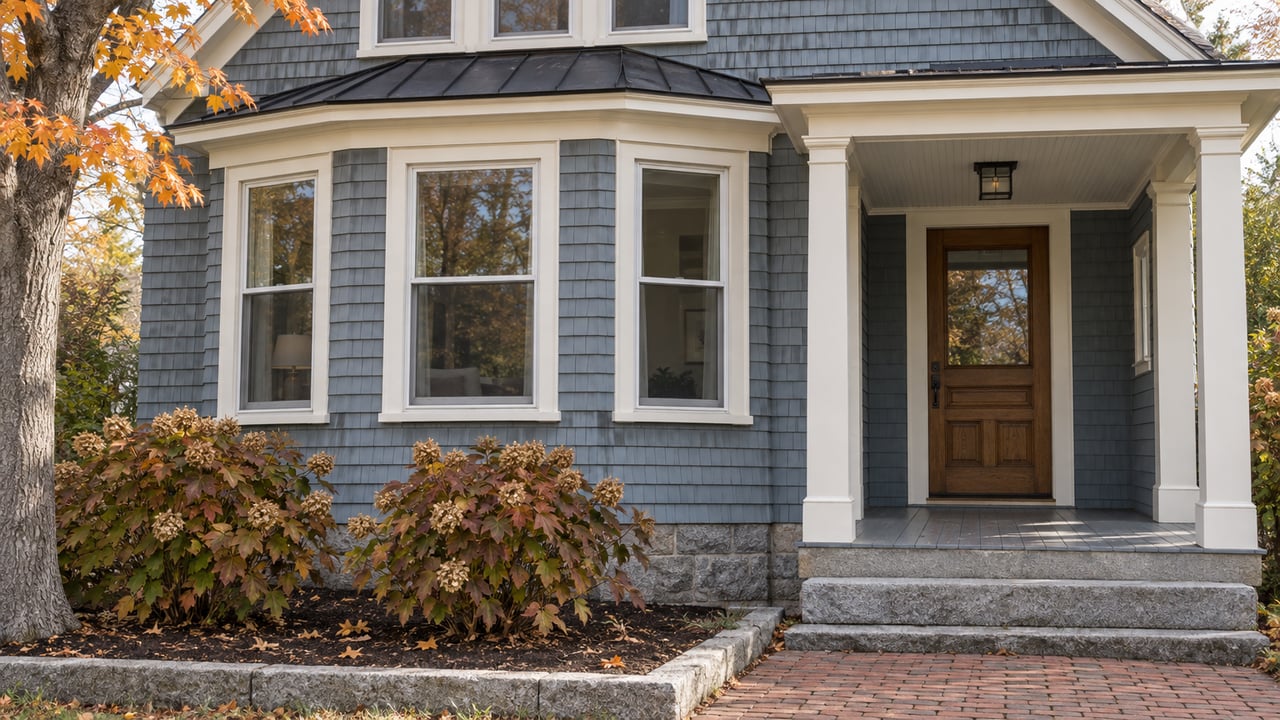
Newtonville's Train Runs One Way at a Time. The Rebuild Starting in November Ends That.
October 15, 2026
October 15, 2026
Newtonville's commuter rail station has one platform, reached only by stairs, and it handles trains in one direction at a time. Trains stop inbound in the morning and outbound in the afternoon and evening. That means you can't catch a train toward Boston from Newtonville on a weekday evening. Plenty of people in the village have simply worked around this for years.
The MBTA's accessibility project begins in November 2026 and is projected to finish in June 2029. Most coverage has focused on elevators and closures. For daily life in Newtonville, the bigger change is that the station will serve trains in both directions at all hours. Everything between now and 2029, including the closed Walnut Street entrance, the summer 2027 shutdown and the weekend buses, is the cost of that change.
In autumn 2024, an average of 421 riders boarded at Newtonville each day, according to an analysis of MBTA ridership data reported by Fig City News. That made it the busiest of Newton's three commuter rail stops. West Newton averaged 227.
How those boardings split across the day matters more than the total. Of the 421, 330 boarded in the morning and 91 in the afternoon or evening. The single platform is built for the inbound commute, and the numbers match.
The MBTA ranked Newtonville ahead of Auburndale and West Newton for this work because it carries the most riders and has the most immediate potential for transit-oriented development. The agency says it will do similar upgrades at the other two stations if more funding comes through.
At the MBTA's June 24 public meeting at the Cooper Center, the agency laid out the new layout, as reported by Fig City News. Today's platform is 800 feet long and single-sided. The new station will have a 400-foot, dual-sided platform with two sets of elevators and two sets of stairs on each side. The tracks will be realigned so the station can be used in both directions at all times, and the MBTA says two-way service will let it add trains at the stop.
The finished station is set to include:
Budgets have shifted along the way. MassDOT added $16 million, raising the project from $50 million to $66 million by delaying or canceling other projects. Congressman Auchincloss was credited with helping secure $7 million in federal funding. One item neighbors raised at the June meeting is not in the budget. Asked about the long-promised sound wall on the north side of the Mass Pike, the MBTA said it had no money for it.
As recently as late June, the plan was much harsher. The MBTA expected to close the station completely from December 2026 to April 2029, with no added bus service for those 28 months. At that meeting, city councilors, State Representative Amy Sangiolo and members of the public raised concerns about the lack of buses. The Newtonville Area Council raised parking and the impact on local businesses.
On September 18, Fig City News reported the revised plan. The station will stay open for all but about five months of what the outlet described as 28 months of expected construction, a figure shorter than the MBTA's November 2026 to June 2029 project window. Mayor Marc Laredo told that outlet that he heard about the change on a call with MBTA General Manager Phillip Eng. He said, "You spoke, we listened, and together we worked to create the best possible outcome for Newtonville."
Greg Reibman, president and CEO of the Charles River Regional Chamber, told Fig City News why it matters to the village:
"The 400-plus commuters who use the Newtonville station daily and the restaurants and shop owners who benefit from the foot traffic are all breathing a sigh of relief."
He mentioned commuters and storefronts in the same sentence, and the village's recent run of openings and closings explains why both came up.
In 2026, Newtonville's ground floor has changed more than its train schedule. Amarin of Thailand opened at 313 Walnut Street on January 9, taking over the former LeDu Thai Eatery space. Newton Beacon reported that Clover Food Lab at 835 Washington Street served its last meals on May 28, with no word yet on the next tenant. On October 8, Newton Beacon also reported that Mochiko Hawaiian BBQ had closed its Walnut Street shop, which opened in 2022. Co-owner Sang Phan said the business is "focusing on Brighton only now."
The village also got a new public space this fall. As Fig City News covered, Setti D. Warren Plaza, next to the Austin Street development, was dedicated during Newtonville Village Day on Sunday, September 20.
So construction starts at a time when two storefronts near the station have no announced replacements. The Chamber's relief comes from the fact that daily foot traffic to and from the trains will mostly continue through the project.
The MBTA's published timeline, along with the closure windows reported in September, gives this sequence:
For the weeks the station is shut, the MBTA's project page lists these options:
There are no plans for a shuttle bus. Questions and comments go to the project inbox at [email protected].
The MBTA hasn't yet published a block-by-block plan for how the revised approach affects lanes, sidewalks or parking on Washington and Walnut Streets. In June, it said it was working with the City on construction impacts, including where work crews will park. That plan is the next document to watch for.
At the June meeting, Mayor Laredo called the project "critical to our housing and economic goals."
If you own near the station and want to think through what an all-day, two-way stop could mean for your home, McKenzie Howarth follows the project closely and is glad to talk it over. When you're ready, start with a free home valuation.

One of the major story lines over the last year is how well the residential real estate market performed.

Move right in and enjoy a spacious, immaculately customized, and comfortable home that is sure to impress.

The Trend Report curates insights from our exclusive Coldwell Banker Global Luxury Realty and Censuswide survey.

A seller credit is an excellent way to work with a seller to get the outcome you need in this higher interest rate environment.
Real Estate
Exploring How Historical Charm and Market Trends Impact Property Worth

Blending local insight with innovative strategy, this professional delivers a tailored real estate experience. Every move is guided by trust, expertise, and a commitment to achieving the best outcome.

27 Boylston St Suite 310 Chestnut Hill MA 02467