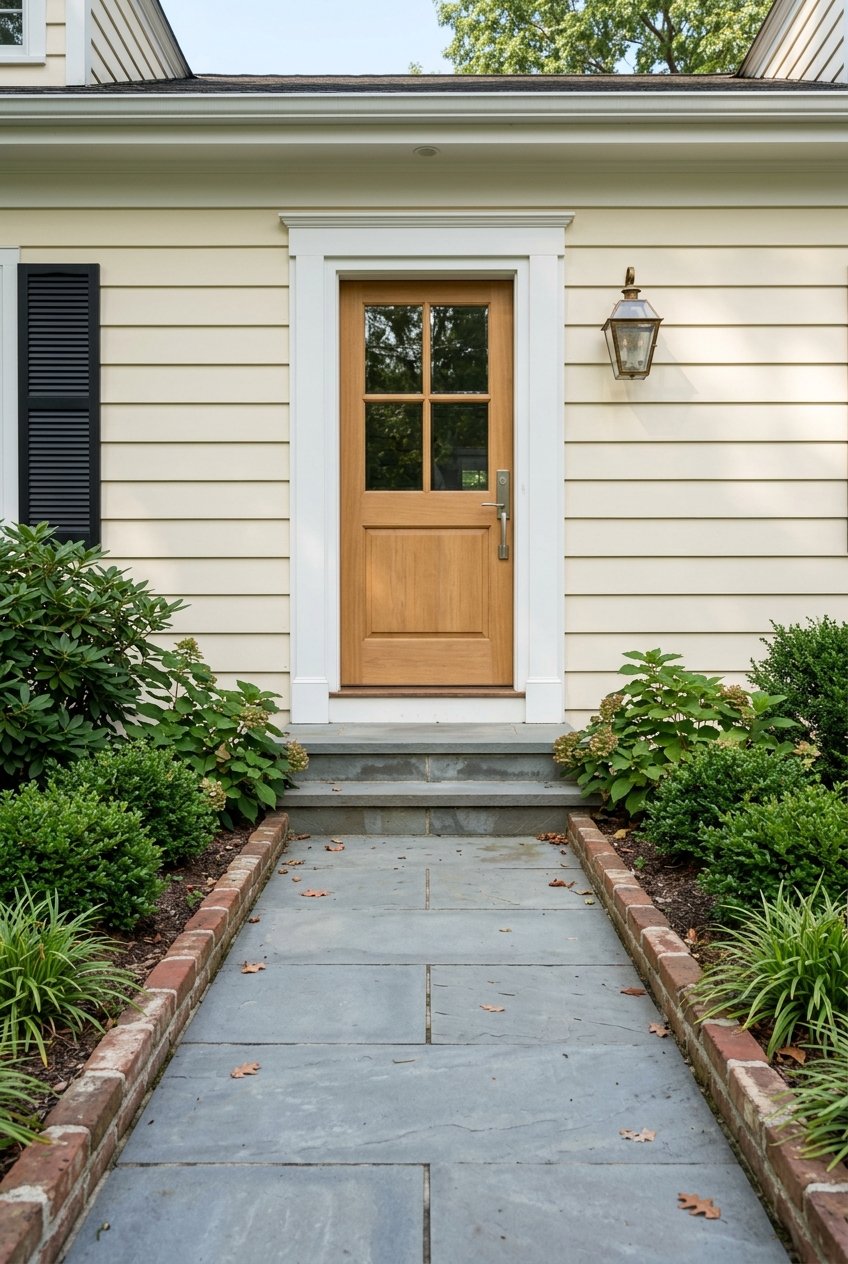
What Waban Village Lifestyle Feels Like for Homebuyers
June 25, 2026
June 25, 2026
Curious what it would actually feel like to live in Waban, not just tour a house there? If you are thinking about buying in Newton, lifestyle often matters just as much as square footage, commute time, or architectural details. Waban stands out for its small village center, historic character, and strong community rhythm, and this guide will help you picture day-to-day life before you make a move. Let’s dive in.
Waban is one of Newton’s 13 villages, within a suburban-residential city about seven miles west of downtown Boston. Newton also notes that 19.6% of its land area is open space, which helps explain why many buyers are drawn to the city’s greener, more residential feel.
What makes Waban different is its scale. Historic Newton describes Waban village center as one of the smallest in the city, so the area feels compact and local rather than busy or retail-heavy. If you are looking for a quieter village setting with everyday conveniences close by, that smaller footprint is part of the appeal.
Waban’s development is closely tied to rail access. Historic Newton says the Highland Branch was completed in 1886, connecting Waban to the Boston and Albany line and helping bring new commuters and house lots to the area.
That history still shapes the village today. Waban reads as a place where transit, residential streets, and neighborhood institutions grew together over time, creating a strong sense of place that many future homeowners are looking for.
Daily life in Waban tends to center on a handful of familiar local destinations rather than a large commercial district. That can be a real advantage if you prefer a neighborhood where errands feel simple and community spaces feel personal.
Verified local stops include Waban Market at 10 Windsor Road, Barry’s Village Deli at 6 Windsor Road, the Waban Branch Post Office at 83 Wyman Street, and the Windsor Club at 1601 Beacon Street. These are the kinds of places that help shape the pace of the village and give residents a practical, close-to-home routine.
The Waban Library Center is one of the clearest anchors of village life. Its history says it has served as a meeting ground since 1930, and current programming includes story time, canasta, mahjong, book clubs, and other recurring events.
That matters when you are evaluating more than just a property. A library that functions as a real gathering place can say a lot about how connected a neighborhood feels in everyday life.
Waban’s errand pattern is village-scale. Instead of a large shopping corridor, you have a smaller set of nearby essentials that support daily routines without changing the residential feel of the area.
For some buyers, that balance is exactly the point. You get useful local stops and a recognizable village center, while the neighborhood still feels calm and primarily residential.
One of Waban’s strongest qualities is its active civic culture. This is not just a place with attractive homes and mature streetscapes. It is also a place where residents have long supported community institutions and local traditions.
The Waban Improvement Society says it was established in 1889 and now runs or supports Village Day, Welcome to Waban, landscaping of community assets, the Progressive Dinner, and Waban Lights and Sing-along. The Waban Area Council also represents local concerns, works alongside the Waban Improvement Society on community building and beautification, and meets monthly at the Waban Library Center.
For a buyer, that can be meaningful. Strong resident involvement often helps preserve the village character people value when they choose Waban in the first place.
Waban offers both neighborhood-scale green space and access to larger outdoor destinations in Newton. If outdoor access is part of your home search, this is an important piece of the lifestyle picture.
Historic Newton places one of the village history signs at Waban Common, opposite Union Church. The Waban Improvement Society also focuses beautification work on the library grounds, the MBTA parking-lot berm, and planting areas in Waban Square, reinforcing the sense that shared outdoor spaces are actively maintained and cared for.
For larger outings, Newton offers several conservation destinations. Mass.gov describes Hemlock Gorge Reservation as a 23-acre riverside wild area with hiking, picnic space, and scenic views.
The city also describes Webster Conservation Area as Newton’s largest protected open space, and notes that Varick Hill is a small wooded parcel located in Waban. Together, these spaces add variety for buyers who want access to walks, greenery, and time outdoors without leaving the city.
Transit is one of Waban’s defining advantages. Newton’s public transportation page lists Waban among the city’s Green Line stops, and Waban’s growth history is directly tied to rail service.
For buyers who want a residential setting without giving up transit access, that combination can be especially appealing. You get the feel of a village neighborhood while still benefiting from public transportation connections within Newton and toward Boston.
Newton also points to bus service and Bluebikes citywide. For some households, that flexibility can help with short trips between villages and day-to-day mobility beyond a single car routine.
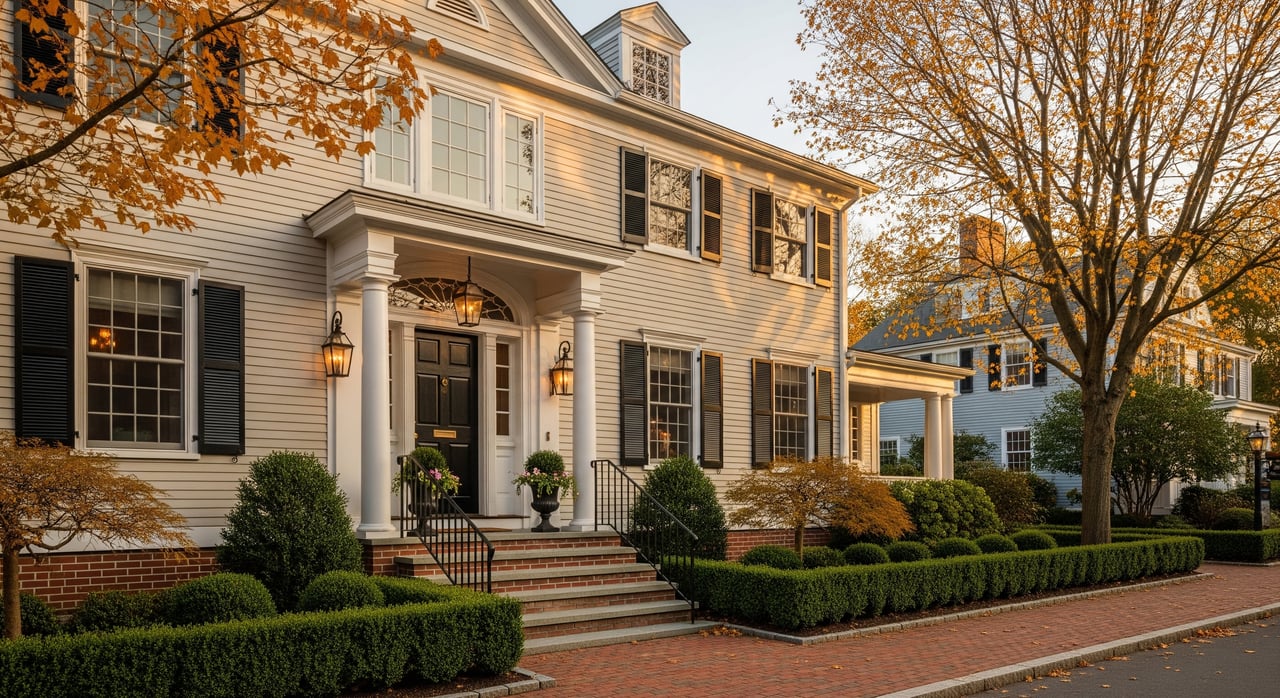
Waban’s housing stock is one of its biggest draws. Historic Newton says many homes range from Shingle and Colonial Revival to early-20th-century Craftsman, while landmark buildings in the village reflect Medieval Revival, Georgian Revival, and other early suburban styles.
That gives Waban a layered, established look rather than a one-style subdivision feel. If you are drawn to older homes with architectural detail, mature landscaping, and a sense of continuity, Waban offers that in a meaningful way.
The built environment also reflects the influence of several Boston-area architects who lived in Waban and shaped parts of the village. Historic Newton highlights work connected to the Strong Building, Union Church, the Waban Library Center, and other local landmarks.
The city also notes that many Waban homes are listed on the National Register of Historic Places. For future homeowners, that helps explain why the neighborhood feels visually cohesive and rich in character.
Waban tends to appeal to buyers who value more than just a house. It is a fit for people who want a residential setting, historic architecture, transit access, local institutions, and a village identity that feels steady and established.
As you explore Waban, it helps to think in lifestyle terms. Consider how important a small local center is to you, how much you value older-home character, and whether access to green space and the Green Line fits the way you want to live.
If you are comparing Waban with other Newton villages, pay attention to scale and rhythm. Waban’s appeal is not about being the busiest part of Newton. It is about offering a quieter, compact, community-oriented experience that still feels well connected.
Buying in a neighborhood like Waban also benefits from local guidance. When homes have historic character and each block can feel a little different, a detailed understanding of the village can help you evaluate fit, condition, and long-term value with more confidence.
If you are thinking about buying in Waban or want help comparing it with other Newton villages, Mckenzie Howarth- can help you navigate the market with local insight and a thoughtful, research-driven approach.

One of the major story lines over the last year is how well the residential real estate market performed.

Move right in and enjoy a spacious, immaculately customized, and comfortable home that is sure to impress.

The Trend Report curates insights from our exclusive Coldwell Banker Global Luxury Realty and Censuswide survey.

A seller credit is an excellent way to work with a seller to get the outcome you need in this higher interest rate environment.
Real Estate
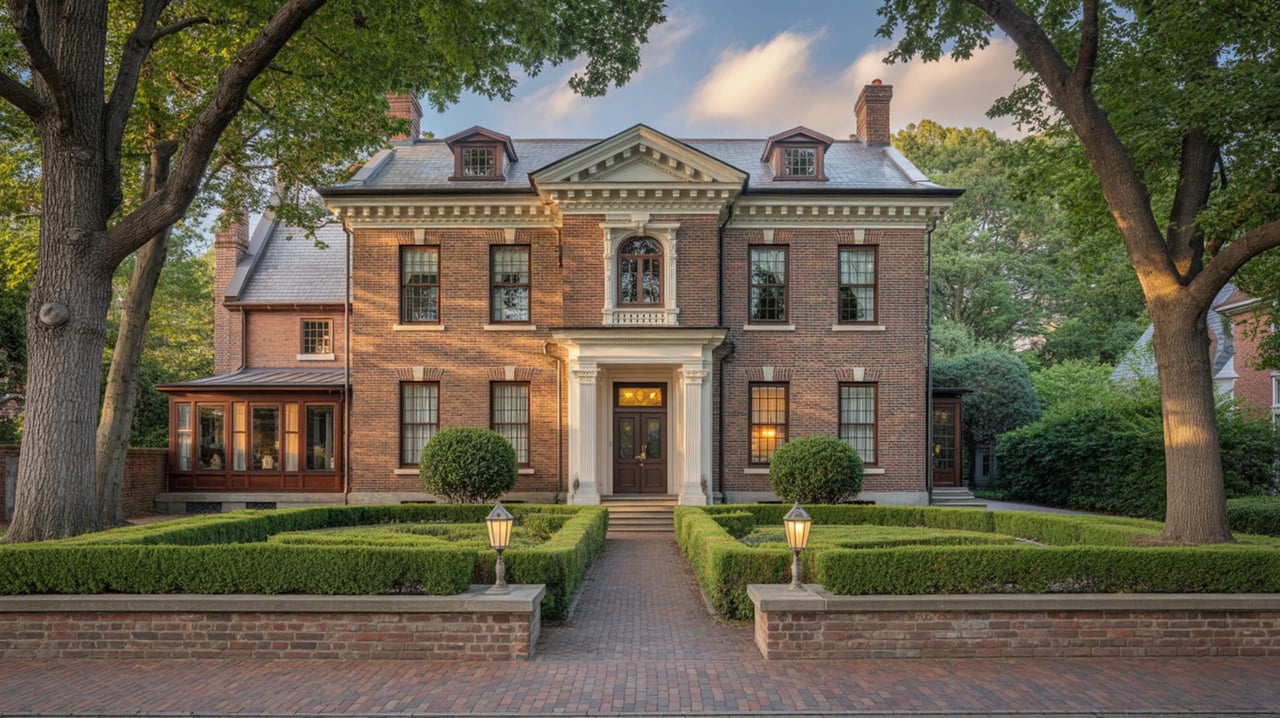
Exploring How Historical Charm and Market Trends Impact Property Worth
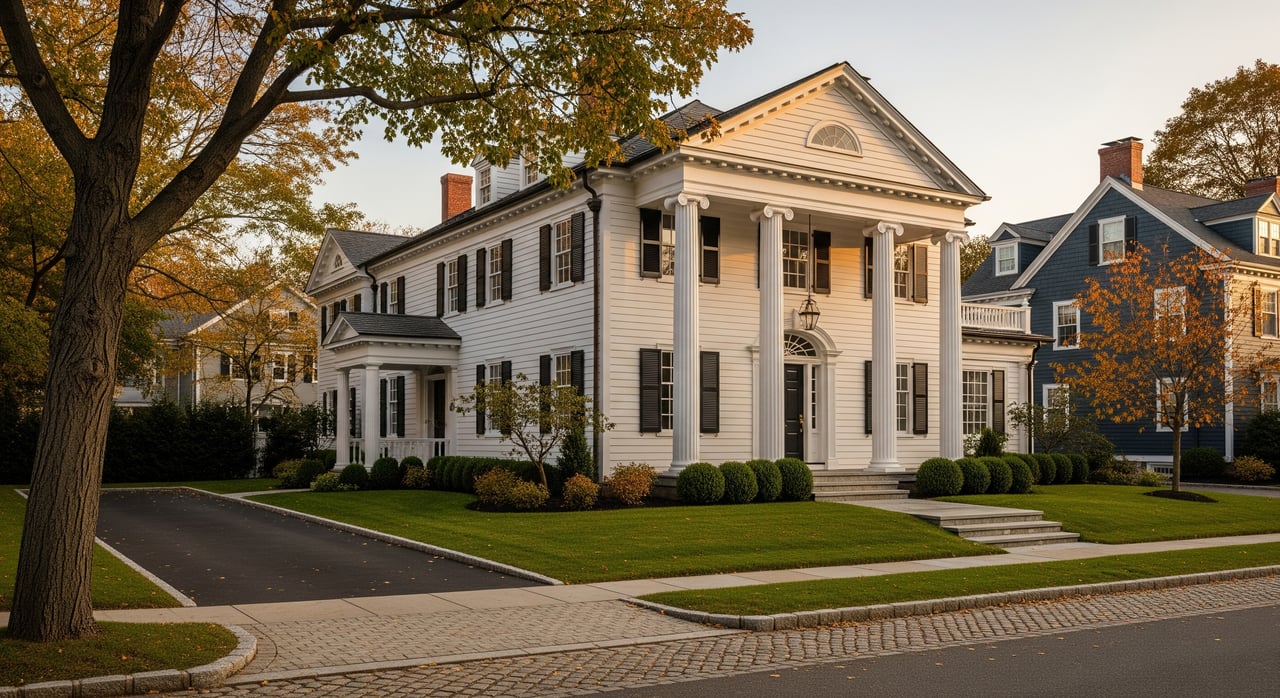
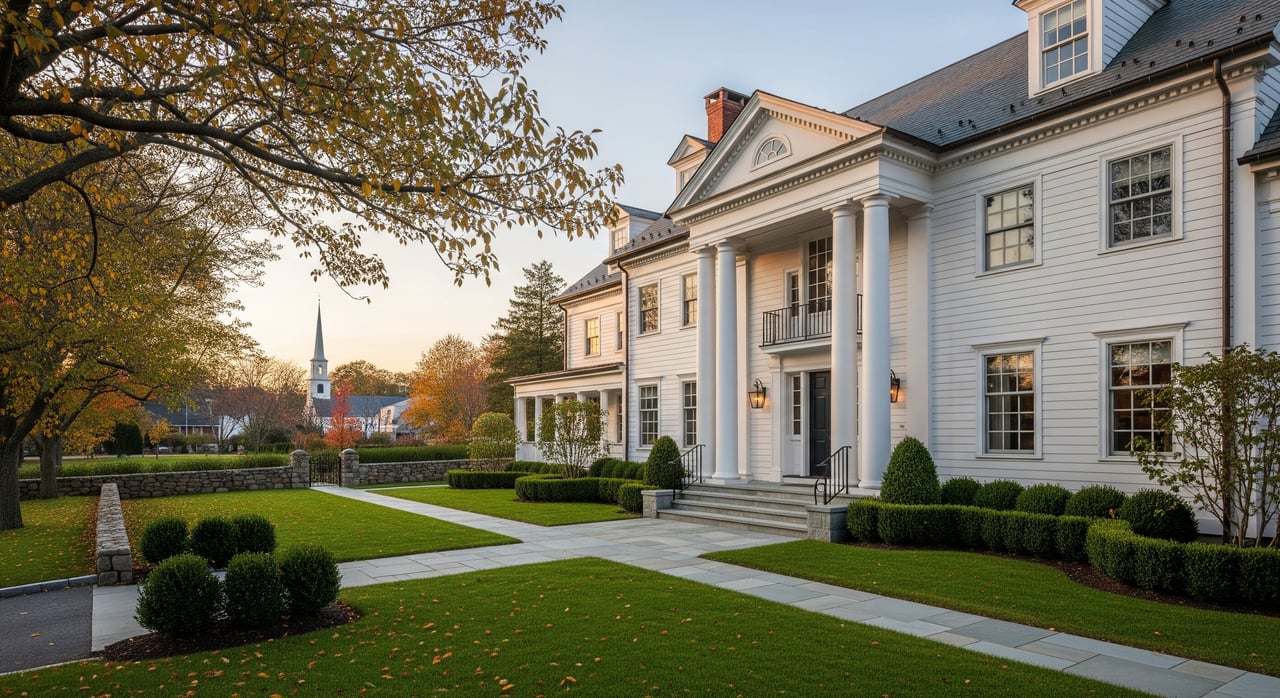

Blending local insight with innovative strategy, this professional delivers a tailored real estate experience. Every move is guided by trust, expertise, and a commitment to achieving the best outcome.

27 Boylston St Suite 310 Chestnut Hill MA 02467