Living in Belmont MA: Village Life Near Boston
June 4, 2026
June 4, 2026
Thinking about Belmont because you want Boston access without giving up a more residential feel? That is exactly why so many buyers keep Belmont on their shortlist. If you are trying to picture daily life here, the key is to understand how the town blends village-style convenience, established housing, and strong regional access with a higher price point. Let’s dive in.
Belmont is a compact suburban community about 8 miles from downtown Boston. The town had an estimated 27,118 residents in 2025, all within just 4.65 square miles, so it feels established and close-in rather than spread out.
Locally, Belmont is often called the “Town of Homes,” which fits its primarily residential character. It is the kind of place where housing and neighborhood identity shape the feel of everyday life more than large commercial corridors or new master-planned development.
For many buyers, Belmont stands out as a Boston-adjacent suburb that offers a strong sense of place. The average commute time is 29.3 minutes, which supports its reputation as a practical option for people who want access to the city while living in a quieter setting.
One of Belmont’s defining traits is how daily errands and local activity cluster around three commercial areas: Belmont Center, Cushing Square, and Waverley Square. Instead of one dominant downtown, you get several village-style hubs that help break up daily routines in a convenient way.
Belmont Center serves as the civic center and one of the town’s most active commercial districts. It developed around the railroad station and still reflects a mix of late-19th- and mid-20th-century architecture, which gives the area a layered, established feel.
Cushing Square has roots in Belmont’s streetcar-suburb era and is known for its early-20th-century commercial buildings and distinctive street layout. Waverley Square, near Watertown and Waltham, is another key center that ties together local businesses and nearby residential streets.
A practical detail that matters more than it may seem is parking. Belmont maintains municipal parking lots in all three village centers, which helps support the town’s mix of walkable errands and car-based convenience.
Belmont offers useful transit options, but most people should think of it as transit-connected rather than car-free. The Fitchburg Line runs through town, and local bus service adds another layer of flexibility depending on where you live.
According to the town, Waverley is served by MBTA bus routes 73 and 554, Belmont Center by routes 74 and 75, and Concord Avenue by route 78. That can make commuting or reaching nearby destinations easier, especially if you want alternatives to driving every day.
At the same time, cars still play a meaningful role in how many residents move through town. Between shopping, cross-town trips, and daily logistics, Belmont often works best for people who appreciate having both transit access and the option to drive when needed.
For some households, town services add another layer of support. Belmont also notes BelderBus service for residents age 60+ and adults with disabilities.
If outdoor access matters to you, Belmont has a stronger green-space identity than some buyers expect from a close-in suburb. Rock Meadow Conservation Area covers 70 acres of meadow, wetlands, streams, and woods along Mill Street, making it one of the town’s most notable open spaces.
Rock Meadow is also part of the Western Greenway, which links Belmont with Waltham and Lexington through a larger corridor of undeveloped land. Nearby open spaces such as McLean Open Space and Beaver Brook North Reservation reinforce that sense of natural continuity.
This is not just about scenery. Belmont’s planning documents show that preserving open space, managing stormwater, and protecting the urban forest are active local priorities, especially around places like Rock Meadow, Lone Tree Hill, Habitat, and Beaver Brook.
For residents, that means green space is woven into the town’s identity rather than treated as leftover land. It shapes how people spend time outdoors and how the community thinks about future growth.
Belmont’s outdoor lifestyle is not limited to passive green space. The town maintains 17 outdoor tennis and pickleball courts across four locations, which speaks to the practical, neighborhood-scale recreation that many buyers look for.
The Belmont Victory Gardens at Rock Meadow are another standout feature. With 137 plots across two acres, they are among the oldest and largest continuously active community gardens in the Boston area.
That combination of conservation land, community gardens, and active recreation helps explain why Belmont often feels balanced. You are close to Boston, but there is still room in the daily routine for walking, playing outside, and spending time in local open space.
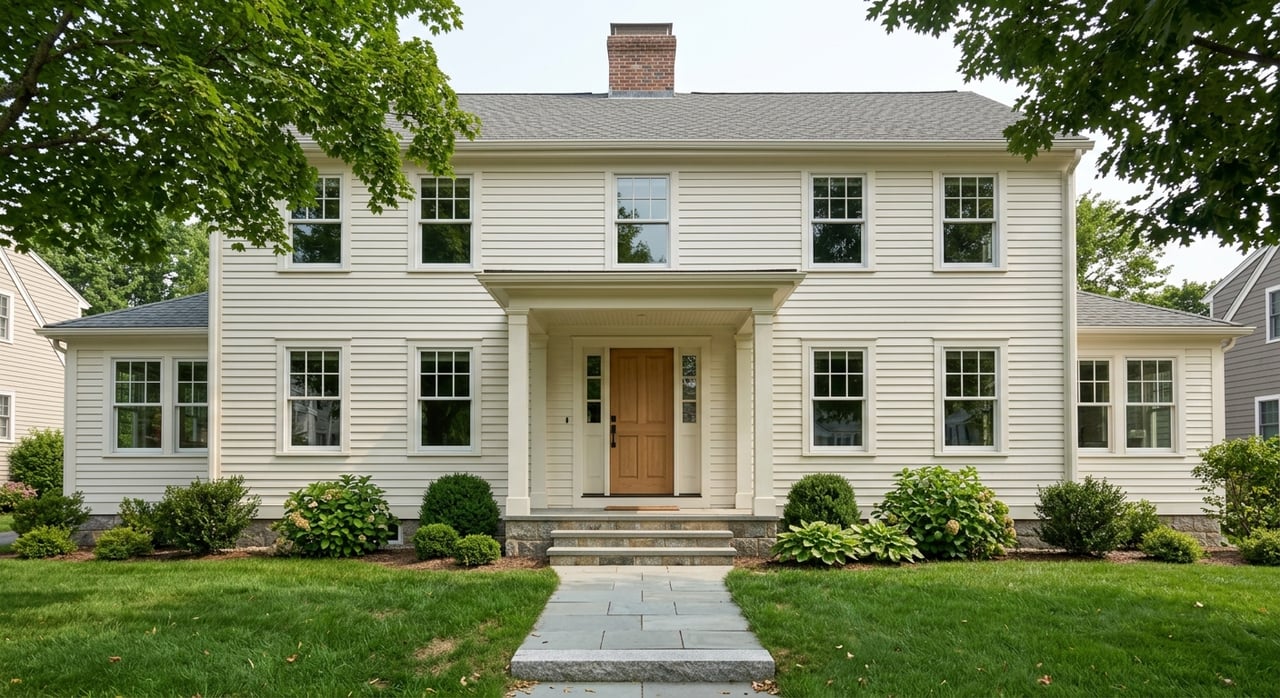
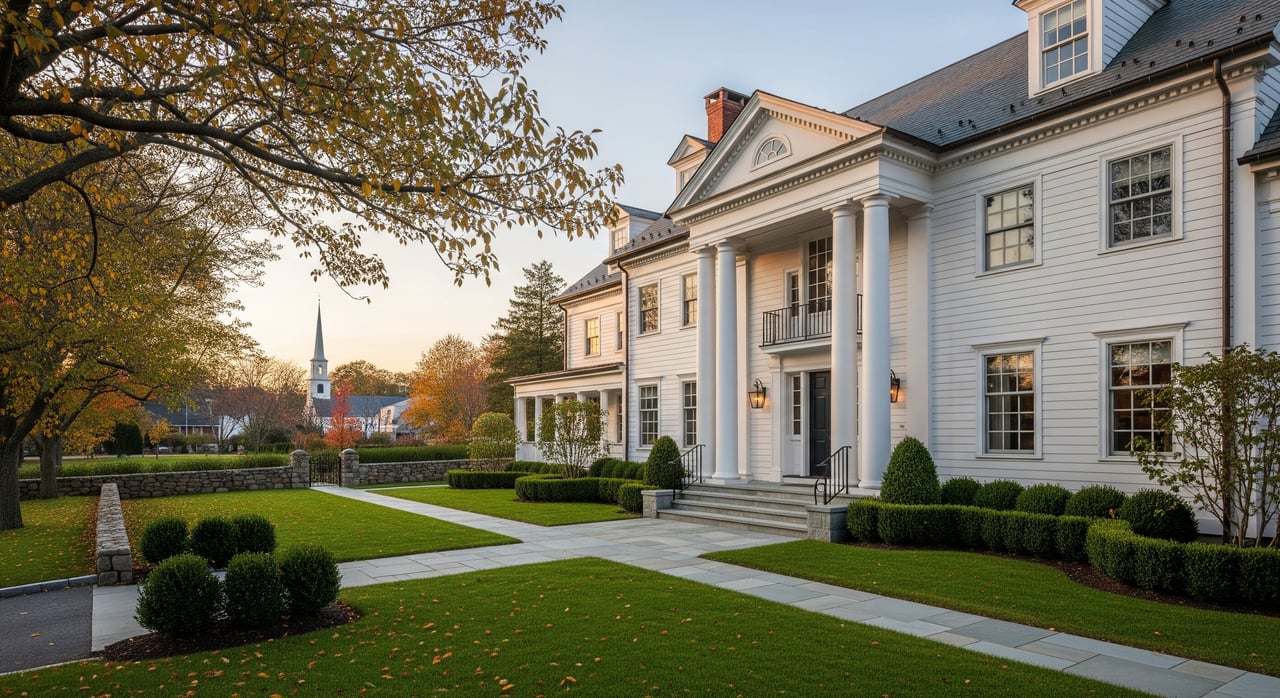
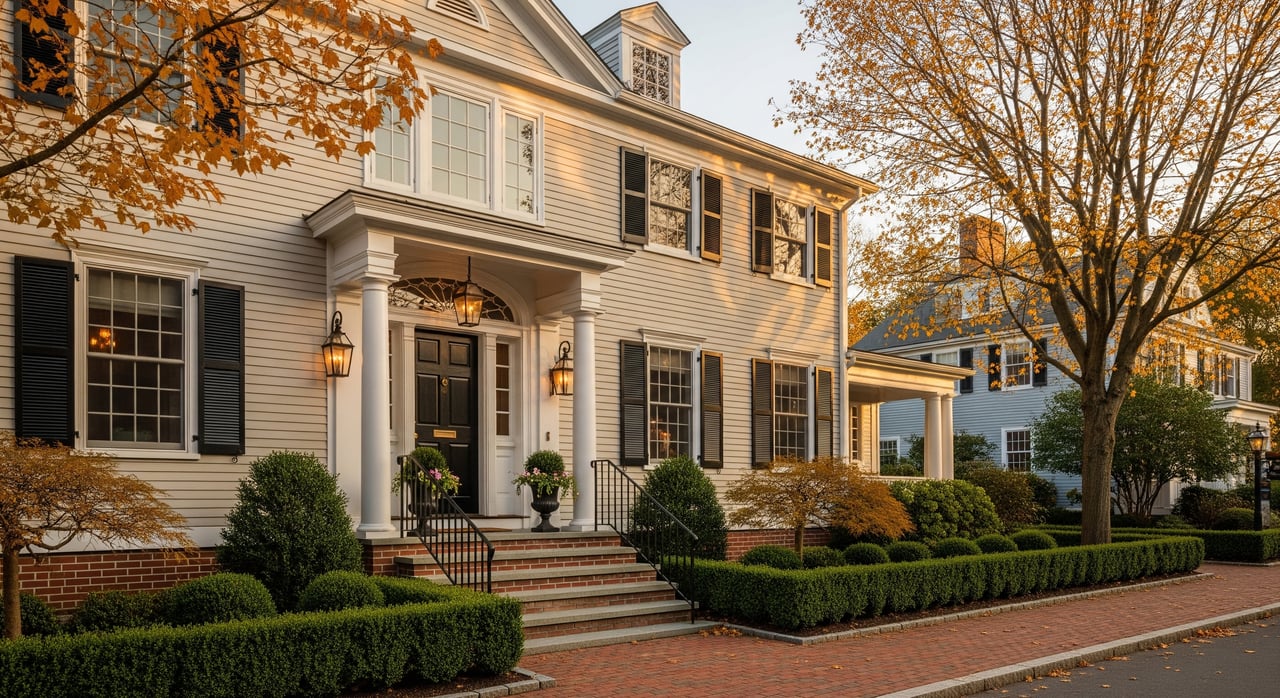
Belmont’s housing stock is a major part of its appeal. If you prefer places with architectural variety and established neighborhood patterns, Belmont usually feels more distinctive than newer suburbs with more uniform development.
Town preservation materials describe several areas with recognizable housing character. Belmont Park and Payson Park trace back to late-19th-century subdivisions, while Clark Hill includes homes from the early 1900s with English Revival and Craftsman influences.
Belmont Hill is known for larger, estate-like parcels and a broad range of architectural styles. Snake Hill stands out as an early-1940s Modern enclave designed by Carl Koch, which adds another layer to the town’s architectural mix.
For buyers, that variety can be a real advantage. It means Belmont offers different types of older homes and neighborhood settings within a relatively compact footprint, though inventory in any one style or area may be limited.
It is important to go into Belmont with clear expectations about pricing. Census data shows a median owner-occupied home value of $1,159,000, which places Belmont firmly in the high-cost category among Boston-area suburbs.
The same profile reports a median household income of $183,137, a 64.7% owner-occupied rate, and median gross rent of $2,527. For mortgaged households, monthly owner costs are reported at $4,000 or more, which reinforces the town’s overall cost profile.
Property taxes are another part of the ownership picture. Belmont’s FY2026 property tax rate is $11.51 per $1,000 of assessed value.
For buyers, the takeaway is simple: Belmont tends to attract people who value location, housing character, and access enough to pay a premium. For sellers, that same positioning can support strong interest when a home is marketed and priced with care.
Even though Belmont is largely residential today, it is not standing still. The town is actively working on housing planning, including MBTA Communities zoning and inclusionary zoning.
Current inclusionary rules require 10%, 12%, or 15% affordable units depending on project size. While that does not change Belmont’s overall character overnight, it does suggest that future housing growth may gradually add more options near transit and village centers.
For buyers relocating from Boston or another close-in suburb, this is worth watching. Belmont is still defined by established neighborhoods and a residential identity, but local planning points to a careful conversation about how to add housing over time.
Belmont often appeals to buyers who want a close-in suburb with a clear sense of identity. If you value established homes, village-center errands, green space, and practical access to Boston, Belmont may feel like a strong match.
It can also work well if you appreciate older housing stock and are comfortable evaluating homes with an eye toward condition, upkeep, and long-term potential. Because the town has many architecturally distinct homes, a careful, research-driven buying approach can be especially helpful here.
The main tradeoff is cost. Belmont offers location and character, but you should expect that both the purchase price and monthly carrying costs may be higher than in more distant suburbs.
Living in Belmont often means choosing a compact, established suburb where daily life feels organized around neighborhood centers, older homes, and easy regional access. It is not the least expensive option, and it is not a fully urban one either. Instead, it offers a specific balance of residential character, convenience, and proximity that many Greater Boston buyers are looking for.
If you are weighing Belmont against Newton, Brookline, Needham, or another Boston-adjacent community, it helps to compare not just price, but also how you want your day-to-day life to feel. If you want thoughtful guidance as you explore Belmont or prepare to buy or sell nearby, Mckenzie Howarth- offers a research-driven, high-touch approach tailored to Greater Boston’s most competitive suburbs.

One of the major story lines over the last year is how well the residential real estate market performed.

Move right in and enjoy a spacious, immaculately customized, and comfortable home that is sure to impress.
The Trend Report curates insights from our exclusive Coldwell Banker Global Luxury Realty and Censuswide survey.

A seller credit is an excellent way to work with a seller to get the outcome you need in this higher interest rate environment.
Real Estate
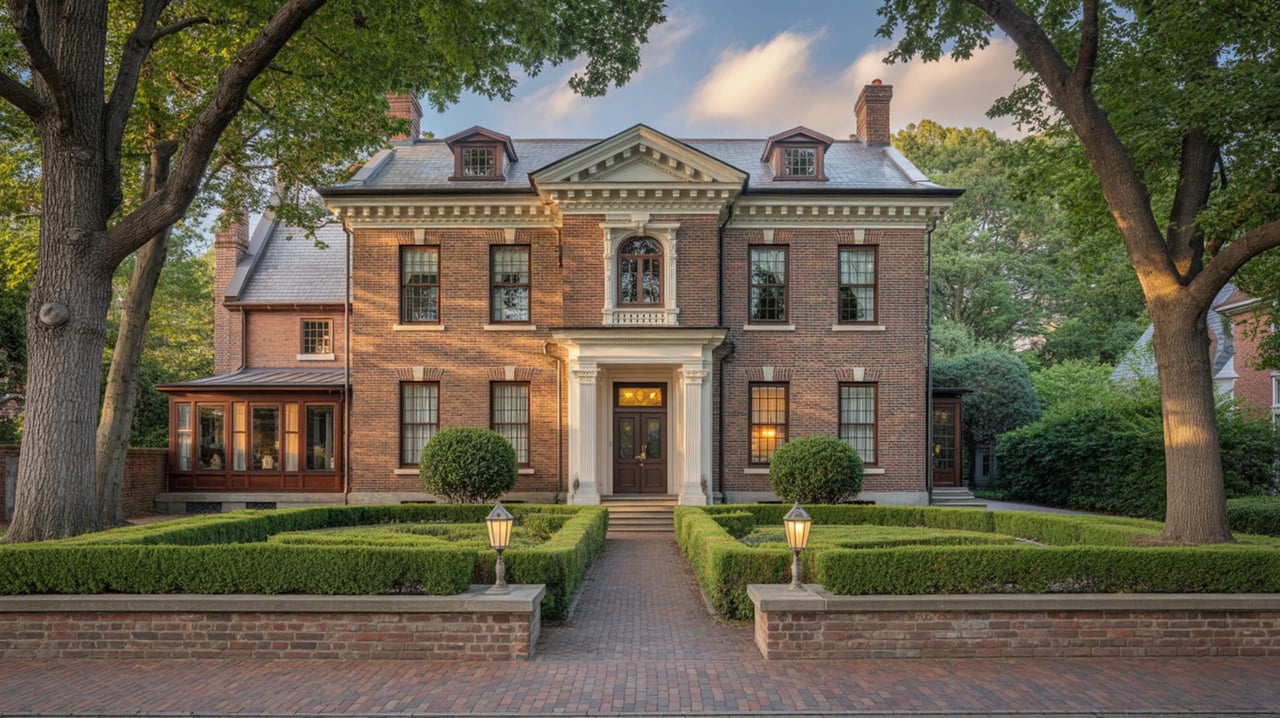
Exploring How Historical Charm and Market Trends Impact Property Worth
Blending local insight with innovative strategy, this professional delivers a tailored real estate experience. Every move is guided by trust, expertise, and a commitment to achieving the best outcome.

27 Boylston St Suite 310 Chestnut Hill MA 02467